Greece Deploys Sea Barriers Against Venomous Rabbitfish
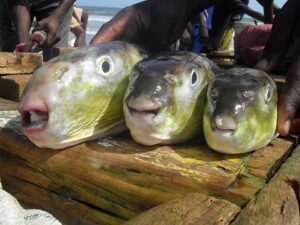
Greek authorities have installed 2.5 kilometers of protective netting in the sea to combat the proliferation of the rabbitfish, an invasive species causing problems for swimmers and local officials. This fish, identified as a significant concern in recent months, possesses tetrodotoxin, a lethal neurotoxin for which there is no known antidote. Its beak-like jaws are capable of biting through bone and metal. The deployment of these specialized nets aims to mitigate the risks associated with this dangerous marine creature. The rabbitfish's invasive nature poses a threat not only to human safety but also potentially to the local marine ecosystem. Efforts to control its spread are ongoing, with the installation of these barriers representing a significant measure. The situation has been closely monitored by authorities and reported by outlets like Euronews.
The Greek government's deployment of sea barriers against the invasive rabbitfish highlights a common challenge in managing ecological disruptions. This intervention addresses immediate public safety concerns stemming from the fish's toxicity and physical capabilities. However, such measures are often reactive and may not address the root causes of invasive species proliferation, which can include climate change, altered marine currents, or changes in prey availability. Future strategies might consider more integrated approaches, such as biological controls or enhanced monitoring systems, to achieve long-term ecological balance and reduce reliance on costly physical barriers. The effectiveness of these nets will also depend on their durability and the specific behaviors of the rabbitfish.
AI-generated to prompt reflection — not editorial opinion, not advice, not a statement of fact. How this works.