Greece Deploys Water-Bombing Aircraft as Winds Subside Amid High Wildfire Risk
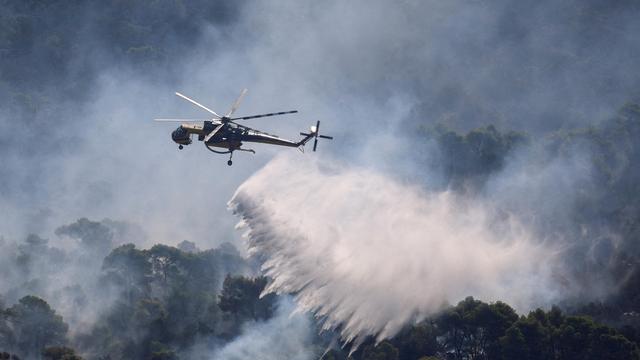
The strong winds that had hampered firefighting efforts in Greece have now subsided, allowing water-bombing aircraft to resume operations against ongoing wildfires. Despite the renewed aerial support, the risk of wildfires across the country remains exceptionally high. Authorities are continuing to monitor the situation closely, with the potential for new fires or the escalation of existing ones still a significant concern due to the dry conditions and lingering wind patterns. The deployment of aircraft is crucial for containing the blazes, especially in difficult-to-access terrain. The government has emphasized the importance of public vigilance and adherence to fire prevention measures during this critical period. Efforts are focused on both extinguishing current fires and mitigating the risk of future outbreaks.
The resumption of aerial firefighting in Greece, enabled by a decrease in wind speeds, highlights the critical interplay between weather conditions and wildfire containment capabilities. While the deployment of aircraft offers immediate tactical advantages, the persistent high risk underscores the need for long-term strategies addressing climate change impacts and land management practices. Future wildfire seasons may increasingly test the resilience of emergency response systems, prompting a review of resource allocation and technological investments to bolster preparedness against escalating environmental challenges.
AI-generated to prompt reflection — not editorial opinion, not advice, not a statement of fact. How this works.
