Greece Faces Increased Forest Fire Risk
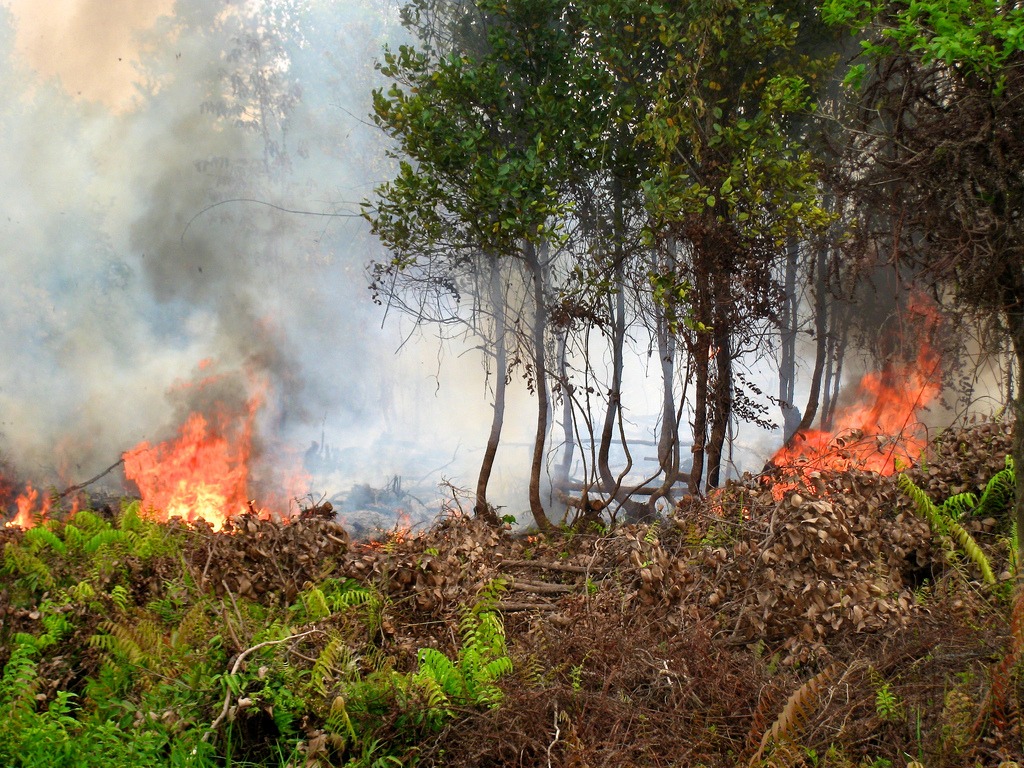
The risk of forest fires has risen in Greece. This heightened danger necessitates increased vigilance and preparedness across the country. Authorities are likely monitoring weather patterns closely to anticipate and respond to potential outbreaks. The public is urged to exercise caution, especially in forested areas, to prevent accidental ignitions. Specific regions may be more vulnerable due to prevailing dry conditions and high temperatures. Preparedness measures typically include firebreaks, early warning systems, and rapid response teams. The government and local communities play a crucial role in mitigating fire risks through education and coordinated efforts. The potential impact of these fires can be severe, affecting ecosystems, infrastructure, and human safety.
Elevated forest fire risk in Greece, as in many Mediterranean nations, is a complex issue driven by climate change and land management practices. The interplay of hotter, drier weather patterns and the accumulation of flammable vegetation creates a volatile environment. Effective mitigation requires a multi-pronged approach, including robust early warning systems, community engagement in fire prevention, and strategic land management to reduce fuel loads. Looking ahead, the integration of advanced climate modeling and AI-powered predictive analytics could significantly enhance response capabilities and resource allocation, aiming to minimize the devastating impacts of such events on both natural landscapes and human populations.
AI-generated to prompt reflection — not editorial opinion, not advice, not a statement of fact. How this works.