Greece Faces Renewed Frontex Scrutiny Over Pushbacks in Evros and Aegean
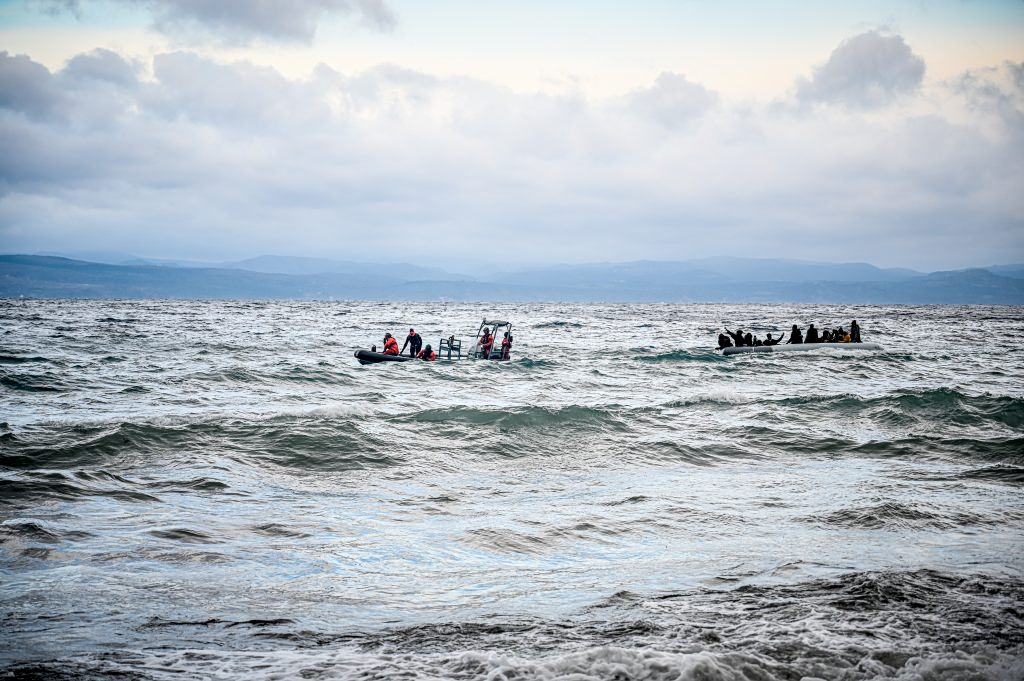
Greece has once again come under scrutiny regarding alleged pushbacks, as highlighted in the annual report by Frontex's Fundamental Rights Office (FRO). This report compiles investigations into alleged violations based on data gathered by Frontex officers in the field, incident reports, and visual evidence from cameras and vessel communication systems. The findings place Greece at the center of a concerning European reality concerning border management practices. The FRO's annual record specifically addresses incidents occurring in the Evros region and the Aegean Sea. These allegations raise significant questions about the adherence to fundamental rights and international protection laws at the EU's external borders. The report serves as a critical mechanism for Frontex to monitor and address potential breaches of human rights by its own personnel and partner agencies. The ongoing investigations underscore the persistent challenges in balancing border security with the humane treatment of migrants and asylum seekers. This situation reflects broader European debates on migration policy and the ethical considerations involved in border enforcement.
The Frontex report brings to light persistent challenges in managing the EU's external borders, particularly concerning alleged pushback operations. These practices, if substantiated, raise critical questions about the adherence to international refugee law and fundamental human rights standards. The scrutiny from Frontex, an agency tasked with border management, indicates an internal mechanism for accountability, albeit one facing significant operational and ethical complexities. Future policy directions will likely need to balance border security imperatives with robust legal frameworks and independent oversight to ensure compliance with human rights obligations. The long-term implications involve not only the reputation of individual member states but also the broader credibility and humanitarian standing of the European Union in global migration governance.
AI-generated to prompt reflection — not editorial opinion, not advice, not a statement of fact. How this works.