Greece Grapples with Low-Intensity Violence
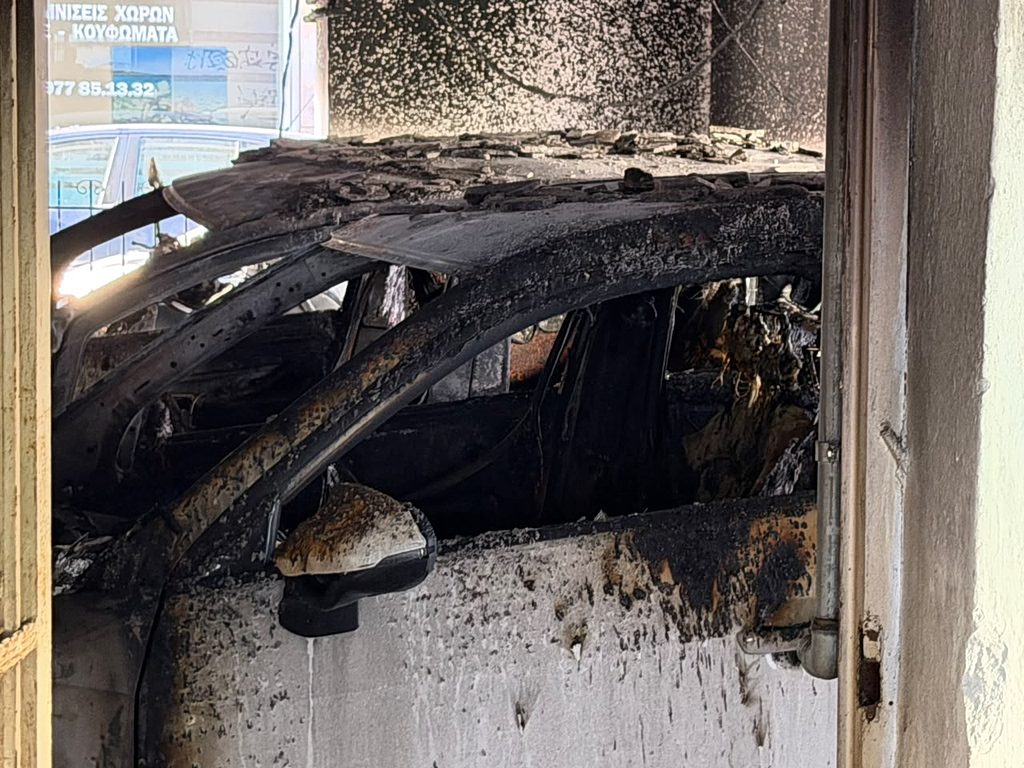
The prospect of a woman being murdered in her home due to an incendiary attack in Greece by 2026 evokes dystopian fears. This scenario is particularly resonant given Greece's historical encounters with severe crimes, such as the Marfin Bank arson attack in the early 21st century. In that incident, Molotov cocktails were thrown at the bank, targeting 'capital and banks,' with full knowledge that employees were inside. The lingering trauma from such events, including political violence, continues to shape public perception and security concerns within the country. The article suggests that these past traumas create a societal vulnerability to what it terms 'low-intensity violence.' This form of violence, while perhaps not always reaching the scale of past atrocities, can still have a profound and destabilizing impact on individuals and communities. The reference to the Marfin attack highlights a pattern where attacks, even those with stated political or economic motives, can have devastating and indiscriminate consequences. The author implies that Greece is at risk of becoming trapped in a cycle where such incidents, even if seemingly isolated, contribute to a pervasive sense of insecurity and a potential regression in societal safety standards.
The article frames recent and historical violent incidents in Greece as indicative of a persistent societal vulnerability to 'low-intensity violence.' This framing suggests that while the scale of attacks may vary, the underlying societal conditions enabling them remain. The analysis of past events, like the Marfin Bank arson, serves to illustrate how attacks with stated political or economic motives can result in indiscriminate harm, highlighting a potential disconnect between perpetrators' intentions and the actual consequences. The narrative implies a need for robust systemic responses that address not only immediate threats but also the root causes of such violence. Looking ahead, the integration of advanced surveillance, predictive analytics, and community-based intervention strategies could offer a more proactive approach to mitigating risks in the coming decade. Understanding the dynamics of how societal trauma influences perceptions of security is crucial for developing effective public safety policies that foster resilience without resorting to overly securitized or punitive measures.
AI-generated to prompt reflection — not editorial opinion, not advice, not a statement of fact. How this works.