Greece Issues Red Alert for Fires Amid Heatwave, Warns of "Mati-like" Conditions
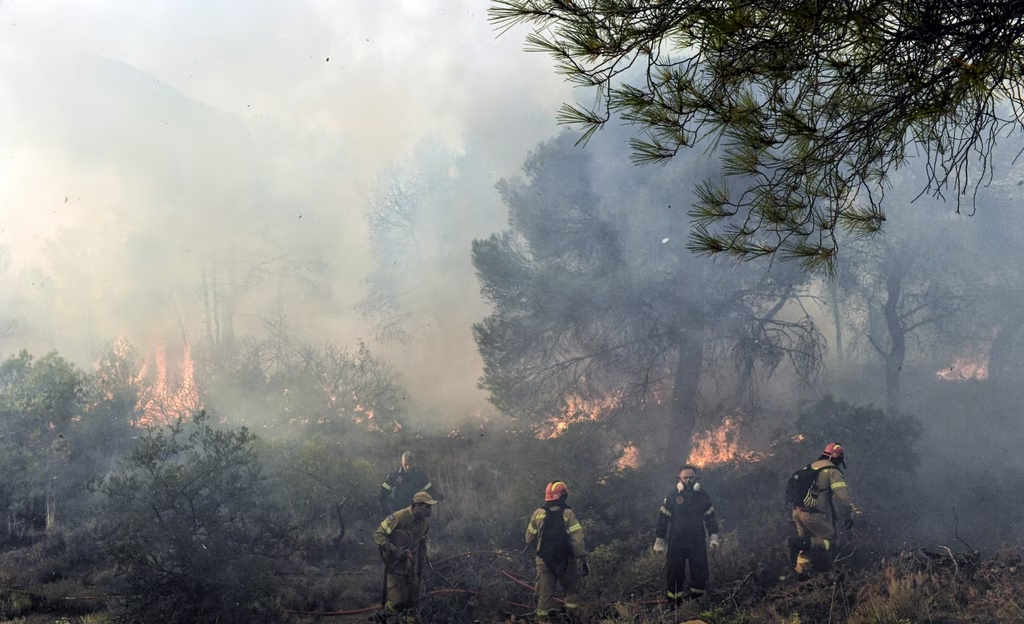
The Hellenic National Meteorological Service (HNMS) has issued an emergency bulletin due to the intense heatwave affecting Greece. The extreme weather conditions are expected to persist through Wednesday, July 22nd. The HNMS has placed Attica under a "Red Code" alert, signaling a very high risk of wildfires. This heightened alert is due to the combination of high temperatures, strong winds, and dry conditions, which are creating a dangerous environment for fire ignition and rapid spread. Authorities are urging extreme caution and preparedness across the region. The warning specifically references the devastating fires of 2018 in Mati, which resulted in significant loss of life and property, highlighting the severity of the current fire risk. Citizens are advised to avoid activities that could spark fires, such as outdoor burning or discarding cigarettes, and to be vigilant for any signs of smoke or flames. Emergency services are on high alert and have implemented contingency plans to respond swiftly to any outbreaks.
The issuance of a "Red Code" alert for wildfires in Attica, coupled with a warning of "Mati-like" conditions, underscores the critical challenge of managing extreme weather events in densely populated and ecologically sensitive areas. This situation highlights the ongoing tension between urban development and natural hazard mitigation. The HNMS's proactive warning, while necessary for public safety, also points to systemic vulnerabilities in infrastructure and land-use planning that exacerbate fire risks during heatwaves. The reference to Mati serves as a stark reminder of the devastating consequences of inadequate preparedness and response, prompting a re-evaluation of current strategies. Future planning must integrate climate resilience more deeply, considering not only immediate responses but also long-term adaptation measures to safeguard communities and ecosystems from escalating environmental threats.
AI-generated to prompt reflection — not editorial opinion, not advice, not a statement of fact. How this works.