Greece's Election Speculation Cycle and Its Detrimental Effects
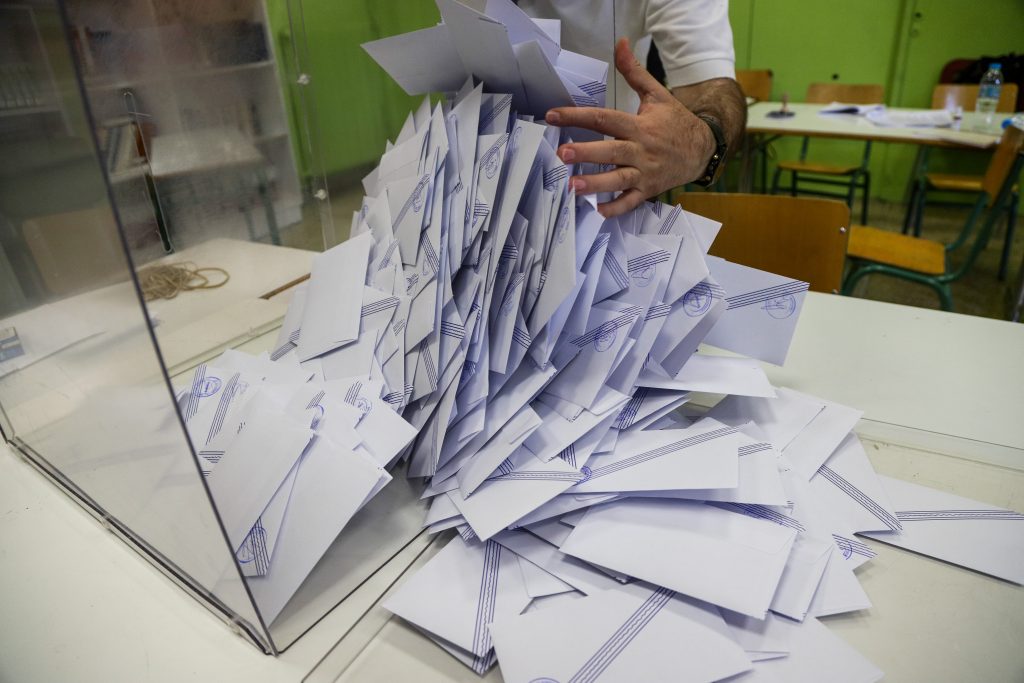
Greece is experiencing a recurring cycle of election speculation, where political life and public discourse become consumed by scenarios for the next upcoming elections, often starting just months after the previous ones concluded. This phenomenon provides ample work for pollsters, journalists, psychologists analyzing political rhetoric and body language, and even psychics. Politicians, too, are deeply involved in this speculative environment, shaping their strategies and public appearances around potential future electoral contests. The constant focus on the next election overshadows pressing current issues and hinders effective governance. This perpetual state of campaigning prevents politicians from concentrating on long-term policy development and addressing immediate societal needs. The media's engagement with these speculative narratives further amplifies the problem, diverting attention from substantive policy debates. Consequently, the public discourse becomes dominated by electoral forecasts rather than critical discussions on governance and national challenges. This environment can lead to political instability and a sense of stagnation, as the focus remains on future electoral outcomes rather than present-day governance.
The persistent cycle of election speculation in Greece appears to be a systemic issue that diverts political energy and public attention away from substantive policy matters and long-term governance. This 'electioneering' environment, amplified by media and political actors, creates a feedback loop where the anticipation of future contests influences present actions, potentially hindering effective policy implementation and strategic planning. From a governance perspective, this focus on electoral cycles rather than policy outcomes can lead to short-term decision-making and a lack of accountability for actual governing performance. The reliance on speculation rather than concrete achievements may also foster public cynicism and disengagement. Looking ahead, a shift towards prioritizing policy delivery and long-term national development over electoral prognostication could foster a more stable and productive political landscape, better aligning with the demands of a rapidly evolving global context.
AI-generated to prompt reflection — not editorial opinion, not advice, not a statement of fact. How this works.