Greece's Housing Crisis: Government Measures vs. Market Reality
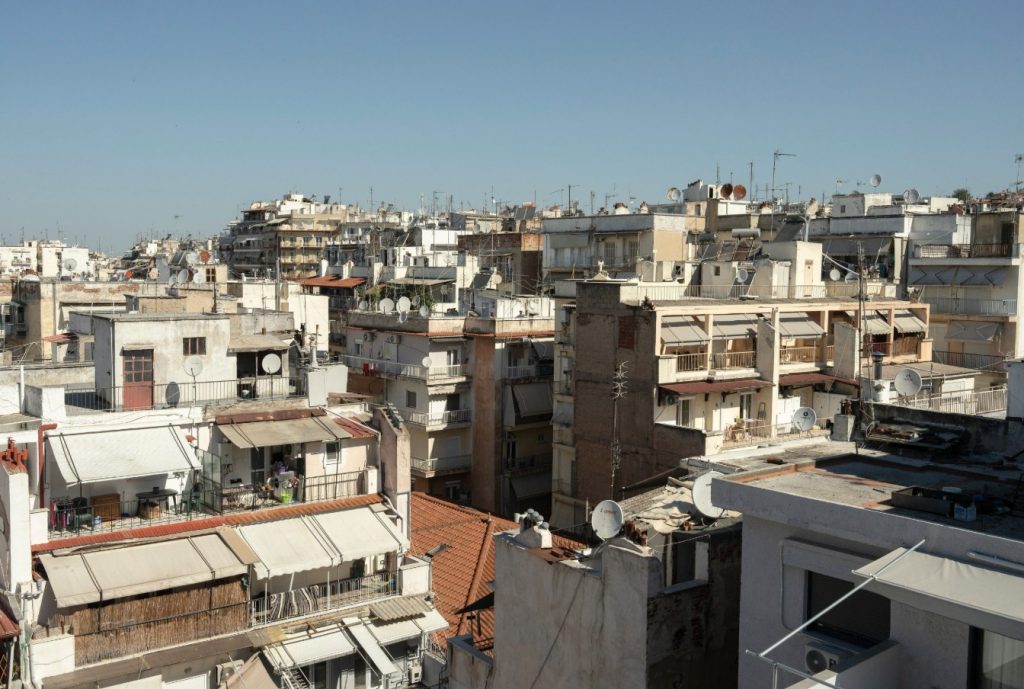
Greece is grappling with a severe housing crisis, where access to shelter remains the most significant financial challenge for households. Despite government initiatives like the "My House II" program, the reality of the property market presents a stark contrast. Property prices have surged, and rental costs have skyrocketed, making homeownership increasingly unattainable for many citizens. The high cost of occupying a home further exacerbates the problem, pushing the dream of stable housing further out of reach. This situation highlights a persistent gap between policy interventions and the actual market dynamics affecting affordability. The government's efforts are currently insufficient to counteract the powerful market forces driving up housing expenses. Consequently, a substantial portion of the Greek population continues to struggle with securing adequate and affordable housing.
The Greek government's housing initiatives, such as "My House II," aim to alleviate affordability pressures. However, the persistent rise in property prices and rents suggests that these measures may not be adequately addressing the underlying market dynamics. Factors such as increased demand, limited supply, and potentially speculative investment could be outpacing the impact of government programs. The challenge lies in balancing market-driven price increases with the societal need for affordable housing. Future policy may need to consider more comprehensive strategies that address supply-side constraints and potentially regulate speculative activities to ensure sustainable housing access for all citizens in the long term.
AI-generated to prompt reflection — not editorial opinion, not advice, not a statement of fact. How this works.