Greece's Political Divide Evolves Beyond Traditional Ideology
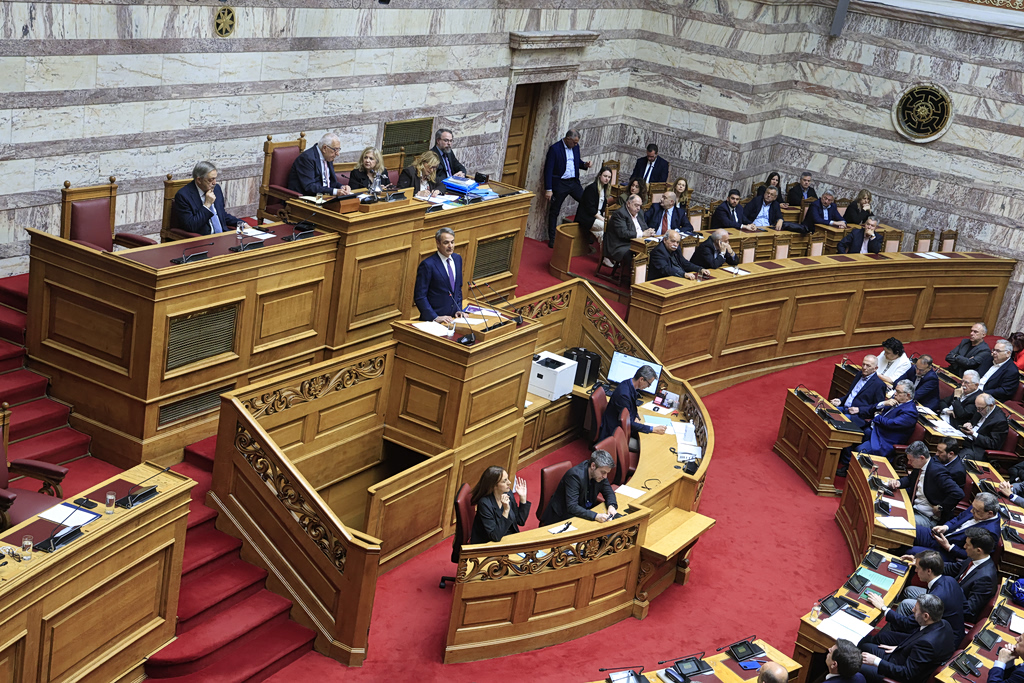
For many years, Greece's political landscape was defined by a clear ideological bipolarity. On one side stood the center-right, emphasizing stability, security, economic prosperity, and the nation's European trajectory. In contrast, the center-left and the left focused on social justice, the welfare state, individual rights, and wealth redistribution. This traditional division, however, no longer solely characterizes the political discourse. The nature of this bipolarity has shifted, moving away from purely ideological tenets. The established political fault lines that once dominated the Greek political scene are undergoing a significant transformation. This evolution suggests a recalibration of political priorities and voter alignments within the country. The dynamics of political competition and representation are likely adapting to new societal and economic realities.
The shift in Greece's political bipolarity from a strictly ideological framework to a more nuanced dynamic suggests evolving societal priorities. Traditional left-right divides, once anchored in distinct economic and social justice platforms, may be less potent as new challenges emerge. This evolution could reflect a broader European trend where pragmatic governance and issue-specific policies gain prominence over rigid ideological adherence. Understanding the new drivers of political alignment will be crucial for forecasting future governance models and policy directions in Greece over the next decade, particularly in the context of technological advancements and global economic pressures.
AI-generated to prompt reflection — not editorial opinion, not advice, not a statement of fact. How this works.