Greece to Continue Fuel Interventions While Fiscal Space Allows, Says Spokesperson
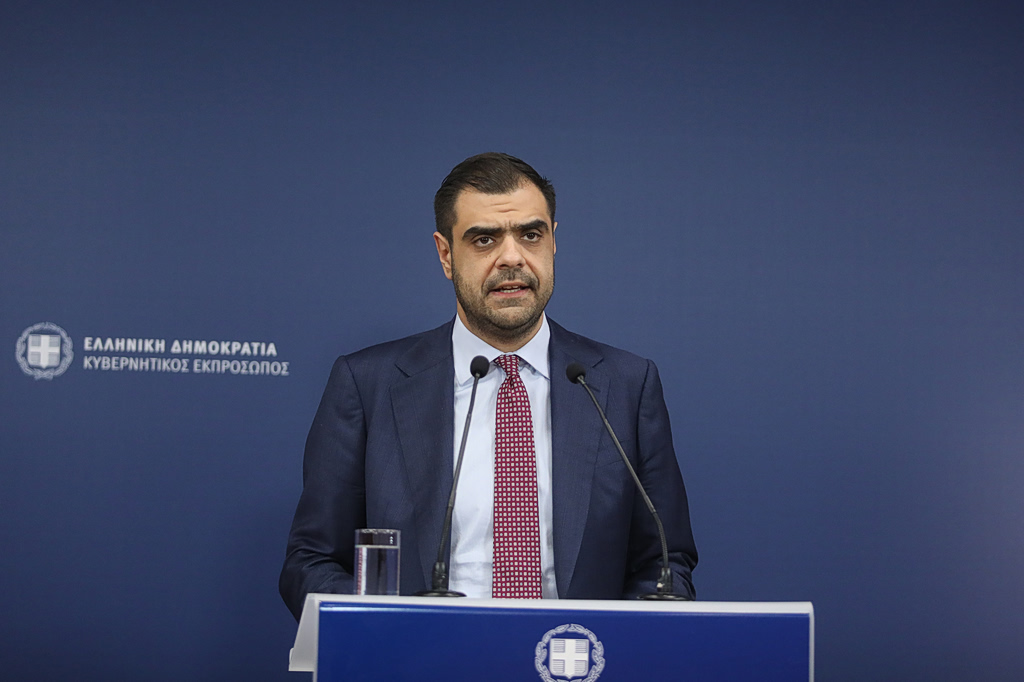
Government spokesperson Pavlos Marinakis announced that Greece will continue its interventions in fuel prices as long as fiscal conditions permit. He emphasized a preference for targeted measures due to the significant cost associated with such interventions. Marinakis also noted that Greece's electricity prices remain below the European average. The government's approach prioritizes fiscal responsibility while aiming to mitigate the impact of high fuel costs on consumers and the economy. These targeted interventions are designed to be efficient and sustainable within the current economic framework. The ongoing monitoring of fiscal margins will determine the duration and scope of these support measures.
The Greek government's stated policy of intervening in fuel prices contingent on fiscal space reflects a common challenge faced by many nations. This approach attempts to balance immediate economic relief with long-term fiscal prudence. The emphasis on targeted measures suggests an awareness of the potential for broad subsidies to distort markets and strain public finances. By positioning Greece's electricity prices favorably against the European average, the government signals efforts to manage energy costs more broadly. The sustainability of such interventions will likely depend on evolving global energy markets, domestic economic performance, and the government's ability to maintain fiscal discipline amidst competing spending priorities. Future policy decisions will need to navigate the inherent tension between providing immediate support and ensuring long-term economic stability.
AI-generated to prompt reflection — not editorial opinion, not advice, not a statement of fact. How this works.