Greece: Tourists Warned of Painful 'Dragonfish' Encounters in Shallow Waters
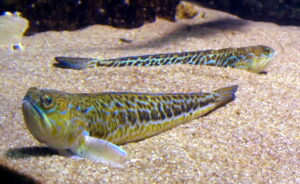
Tourists vacationing in northern Greece are being alerted to the presence of the "dragonfish," a marine species whose sting can cause significant pain if stepped on in shallow water. While panic is not advised, caution is recommended. Social media posts from visitors highlight encounters with this potentially hazardous sea creature. This warning comes in addition to previous concerns about the "rabbitfish," indicating multiple marine dangers for beachgoers. The dragonfish's venomous spines pose a risk to unsuspecting swimmers and waders. Authorities and local media are disseminating information to ensure visitor safety. The presence of such species underscores the need for awareness of local marine life when visiting coastal areas. Travelers are encouraged to be vigilant and observant of their surroundings while enjoying their time in the sea. This situation serves as a reminder for all beach destinations to provide clear and timely safety information regarding potential marine hazards.
The emergence of warnings about venomous marine life, such as the dragonfish and rabbitfish, in popular tourist destinations like northern Greece highlights a recurring challenge in managing coastal ecosystems and public safety. As climate change and other environmental factors alter marine habitats, species distribution can shift, potentially increasing encounters between humans and hazardous wildlife. Effective public health communication strategies are crucial to mitigate risks without causing undue alarm. Future management approaches may need to integrate real-time environmental monitoring and predictive modeling to anticipate and communicate such risks proactively, thereby balancing tourism economies with ecological stewardship and visitor well-being.
AI-generated to prompt reflection — not editorial opinion, not advice, not a statement of fact. How this works.