Greek Center-Left Needs Renewed Progressive Vision to Regain Majority Support
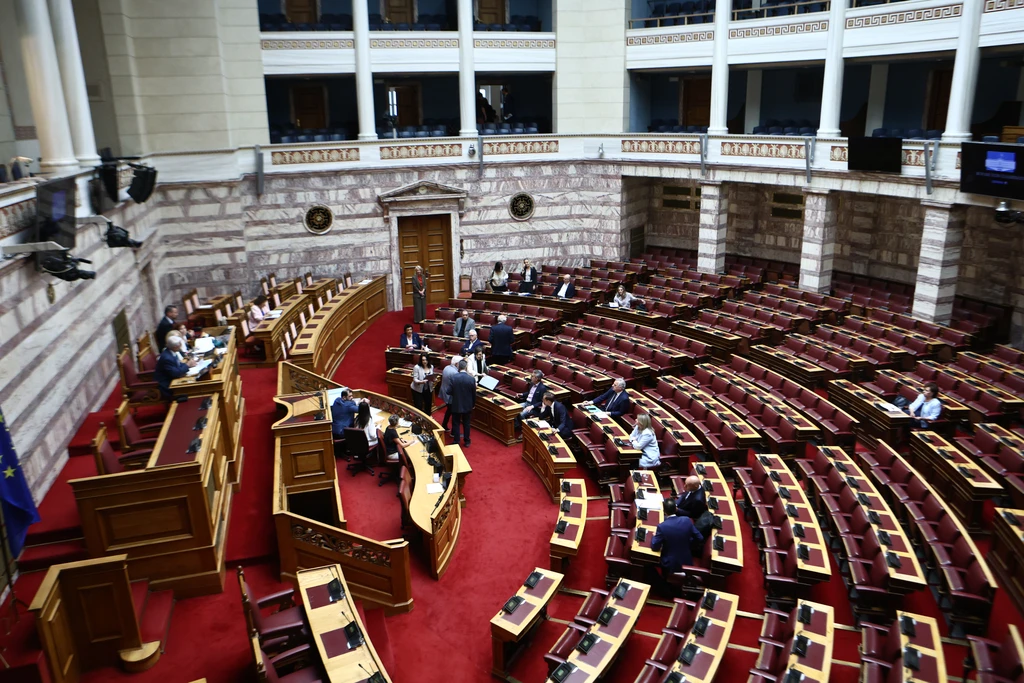
The Greek center-left political bloc faces a critical juncture, requiring a fundamental shift beyond internal party discussions to achieve reconstruction. Its future success hinges on its ability to articulate a modern, credible, and majority-oriented progressive agenda for the nation. The core challenge lies not within the parties themselves, but in their capacity to once again represent a broad societal consensus that appeals to the majority. This necessitates a departure from fragmented debates and a focus on developing a cohesive vision that resonates with the electorate's aspirations. Without such a renewal, the center-left risks further marginalization and an inability to effectively address the country's needs. The path forward demands a strategic re-evaluation of its messaging and policy proposals to reconnect with a wider segment of society. Ultimately, the bloc's resurgence depends on its power to inspire renewed belief in its progressive ideals and its capacity to govern effectively.
The Greek center-left faces a challenge common to many established political movements: the need to adapt its core progressive values to contemporary societal demands and technological shifts. Rebuilding trust and achieving majority support requires moving beyond insular party politics to engage with broader public sentiment and emerging social trends. The success of this endeavor will depend on the movement's ability to synthesize diverse progressive ideas into a coherent and compelling vision that addresses current economic, social, and environmental concerns. This strategic recalibration is essential for any political force aiming to remain relevant and influential in the coming decade, particularly as artificial intelligence and other transformative technologies reshape public discourse and policy priorities.
AI-generated to prompt reflection — not editorial opinion, not advice, not a statement of fact. How this works.