Greek Civil Servants Union Calls for Work Stoppage on July 14, 2026
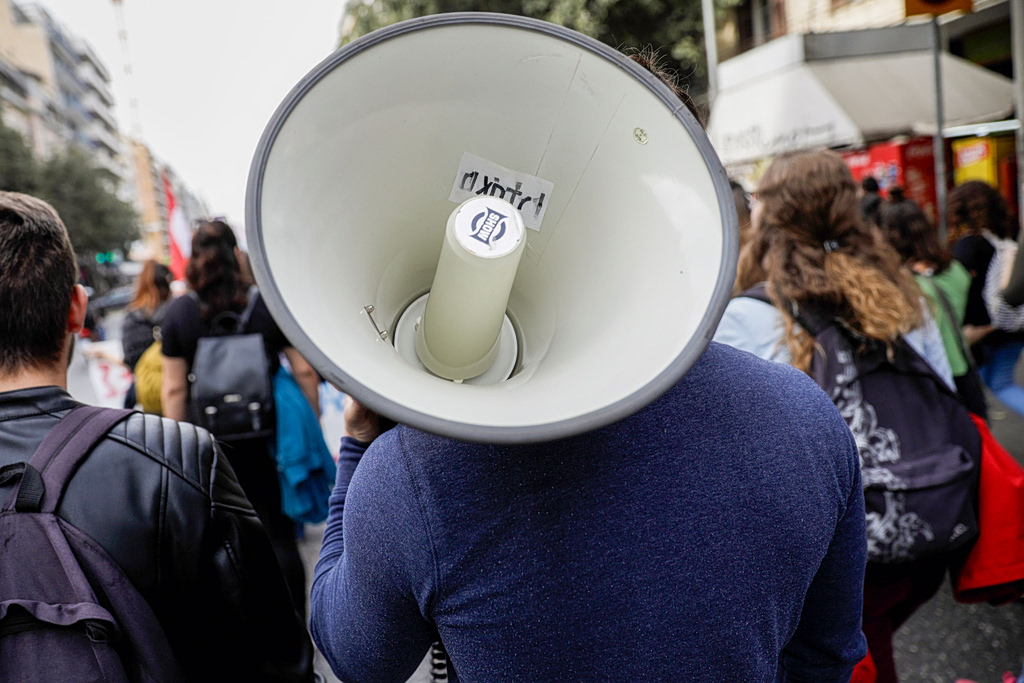
The Executive Committee of the Supreme Administration of Civil Servants' Unions (ADEDY) has announced a work stoppage for today, July 14, 2026, from 11:00 AM until the end of the workday. This action is part of a nationwide strike by public employees protesting the government's proposed constitutional revision process. The decision was made during an Executive Committee meeting on June 30, 2026. ADEDY argues that the government's initiative is problematic. The union has organized a gathering at Propylaea and a march towards the Parliament building to voice their opposition. This mobilization aims to draw attention to the union's concerns regarding the constitutional changes being pursued by the current administration. The specific details of ADEDY's objections to the constitutional revision were not fully elaborated in the provided text, but the core issue is the government's legislative agenda. The strike action signifies a strong stance from public sector employees against perceived governmental overreach or unfavorable amendments.
The work stoppage by ADEDY highlights a common tension between public sector unions and governments regarding legislative reforms, particularly those involving constitutional changes. Such actions typically stem from concerns over potential impacts on public services, employee rights, or the balance of power. From a governance perspective, the strike represents a mechanism for organized labor to exert influence and negotiate terms, reflecting democratic processes. However, it also introduces operational disruptions and economic costs. The effectiveness of this protest will likely depend on public support, the government's willingness to engage in dialogue, and the specific provisions of the proposed constitutional revision. Looking ahead, the increasing pace of legislative change in many nations, coupled with evolving public sector roles, necessitates robust frameworks for stakeholder consultation to mitigate such conflicts and ensure policy legitimacy.
AI-generated to prompt reflection — not editorial opinion, not advice, not a statement of fact. How this works.