Greek Electricity Tariffs Shift: Yellow Prices Decrease, Others Increase
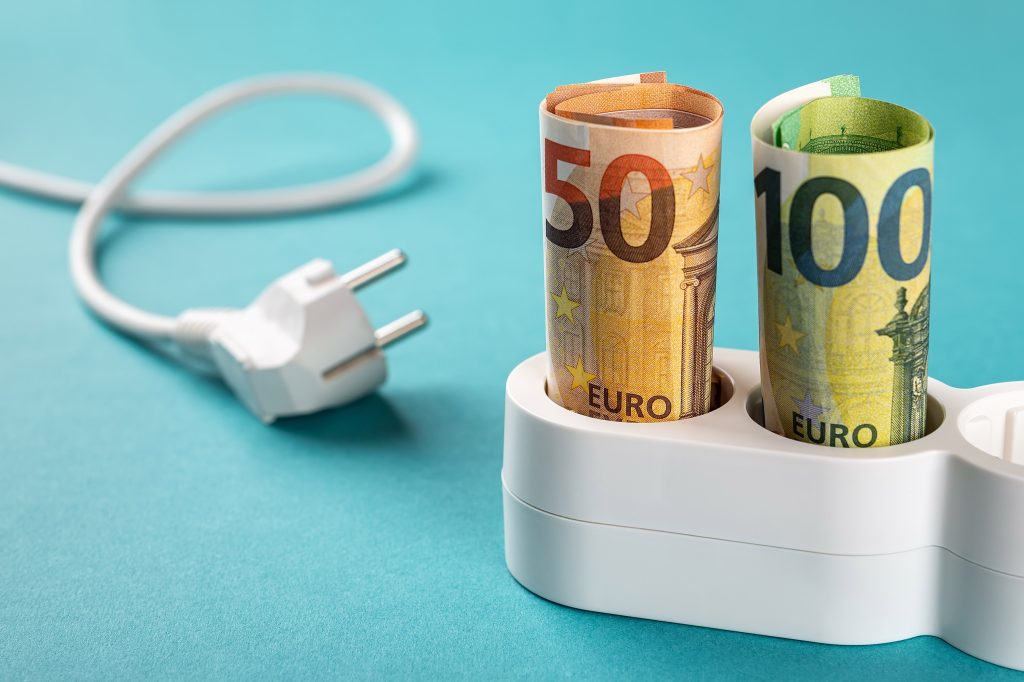
Electricity tariffs in Greece have undergone a significant change, with 'yellow' tariff plans now becoming cheaper. This shift means consumers may find better value in previously more expensive options. The government has adjusted the pricing structure, impacting various tariff categories differently. Consumers are advised to review their current electricity plans to determine which color tariff now offers the most cost-effective solution for their household. The changes are intended to provide more dynamic pricing options and potentially lower bills for a segment of the population. Further details on the specific price reductions for yellow tariffs and the increases for other categories are expected to be released. This move signals a potential shift in the energy market's approach to consumer pricing. It is crucial for households to stay informed about these evolving tariff structures to manage their energy expenses effectively.
The recent adjustments to Greek electricity tariffs, particularly the decrease in 'yellow' plan prices, suggest a strategic recalibration of market incentives. This policy shift may aim to stimulate demand for specific tariff structures or to address perceived inequities in previous pricing models. Such changes can influence consumer behavior, potentially leading to a reallocation of customers across different tariff types. From a systemic perspective, this highlights the ongoing effort by energy providers and regulators to balance affordability, market competitiveness, and the financial sustainability of the energy sector. The long-term impact will depend on how these tariff dynamics interact with broader energy market trends and consumer adoption rates over the next decade, especially as the transition to renewable energy sources accelerates.
AI-generated to prompt reflection — not editorial opinion, not advice, not a statement of fact. How this works.