Greek Festivals: A Tradition with a Future
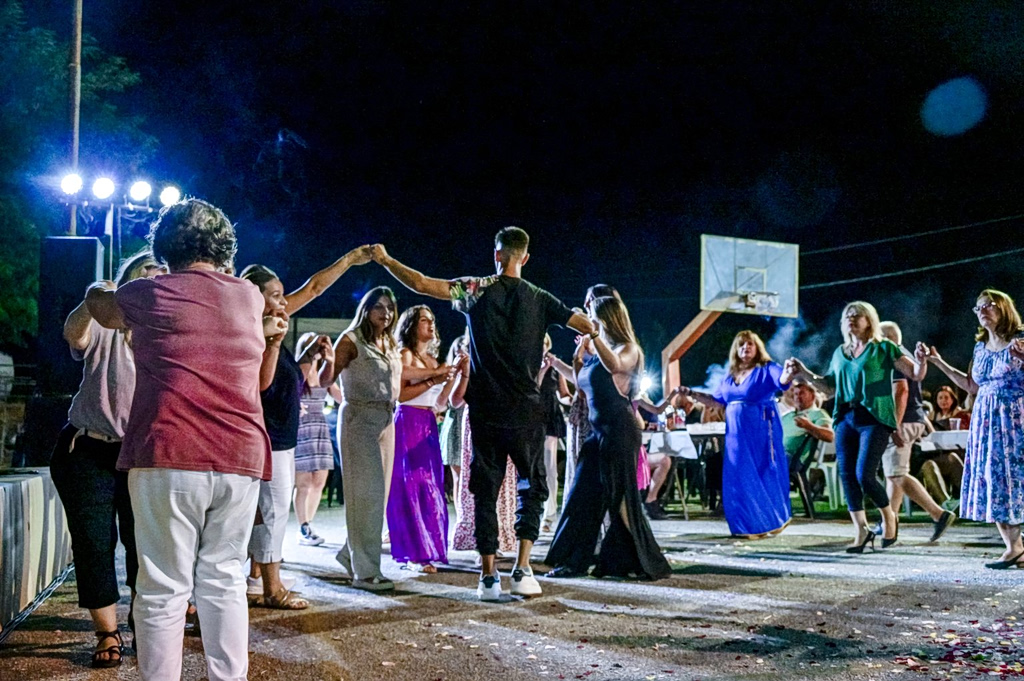
A popular Greek song, "Glenti" by Nikos Oikonomidis, has become a staple at Aegean island festivals over the past 20 years. While islanders are accustomed to hearing it during peak moments, Athenians have experienced its energetic appeal in music venues and concerts. This enduring popularity highlights the vibrant nature of traditional Greek festivals, often characterized by lively music and communal celebration. The song's widespread recognition suggests a strong connection between contemporary music trends and established cultural practices. These festivals serve as important social gatherings, preserving cultural heritage while adapting to modern influences. The continued success of "Glenti" indicates that traditional celebrations can successfully integrate new artistic expressions. This fusion ensures the relevance and appeal of these events for younger generations. The article implies that such traditions are not static but evolve, incorporating elements that resonate with current audiences. The longevity of this song at festivals points to a dynamic cultural landscape in Greece.
The enduring popularity of Nikos Oikonomidis's song "Glenti" at Aegean festivals over two decades signifies the successful integration of contemporary musical elements into traditional Greek celebrations. This phenomenon demonstrates how cultural practices can adapt and thrive by incorporating new artistic expressions that resonate with current audiences, ensuring their relevance for future generations. The phenomenon suggests a robust cultural ecosystem where established traditions can coexist with and even be amplified by modern influences, indicating a dynamic rather than static cultural landscape. This adaptability is crucial for the long-term viability of cultural heritage in an era of rapid global change.
AI-generated to prompt reflection — not editorial opinion, not advice, not a statement of fact. How this works.