Greek Government Faces New Political Challenge After Samaras' Party Decision
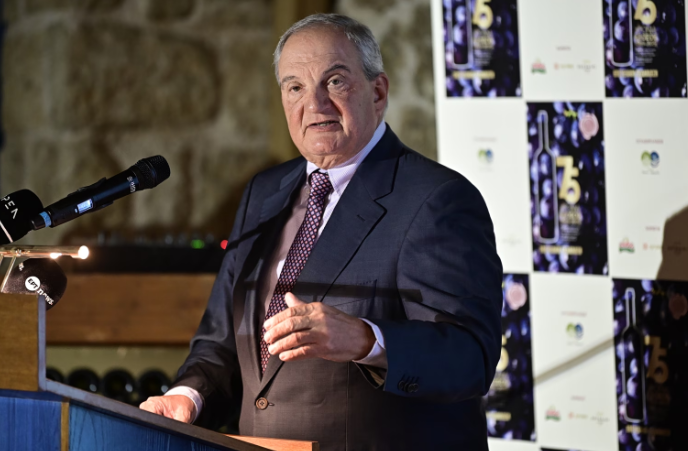
Following the conclusion of a prolonged period of uncertainty regarding Antonis Samaras' political future and the potential formation of a new party, the Maximos Mansion (the Prime Minister's office) is now tasked with addressing this emerging political challenge. There is speculation that former Prime Minister K. Karamanlis may be providing behind-the-scenes support to this new political entity. The government must now strategize on how to effectively manage and respond to this development, which could reshape the political landscape. The exact nature of the support or the specific goals of the new party remain unclear, but its emergence necessitates a proactive approach from the current administration. This situation underscores the dynamic nature of Greek politics and the ongoing need for governmental adaptability. The government's response will likely involve political maneuvering and public relations efforts to mitigate any potential impact on its standing and legislative agenda. The coming weeks will be crucial in determining the trajectory of this new political force and its implications for national governance.
The political maneuvering surrounding the potential formation of a new party, possibly with backing from a former Prime Minister, presents a classic case of evolving party systems and leadership dynamics within a democratic framework. The current administration's challenge lies in navigating these shifts by focusing on policy delivery and maintaining public trust, rather than solely reacting to perceived threats. Examining the underlying incentives for party fragmentation and the potential impact on coalition stability will be key. Looking ahead, such developments highlight the importance of adaptive governance models that can respond to both internal party realignments and broader societal expectations in an era of rapid information flow and shifting political allegiances.
AI-generated to prompt reflection — not editorial opinion, not advice, not a statement of fact. How this works.