Greek Government Re-evaluates Public Opinion Data Amidst Persistent Decline
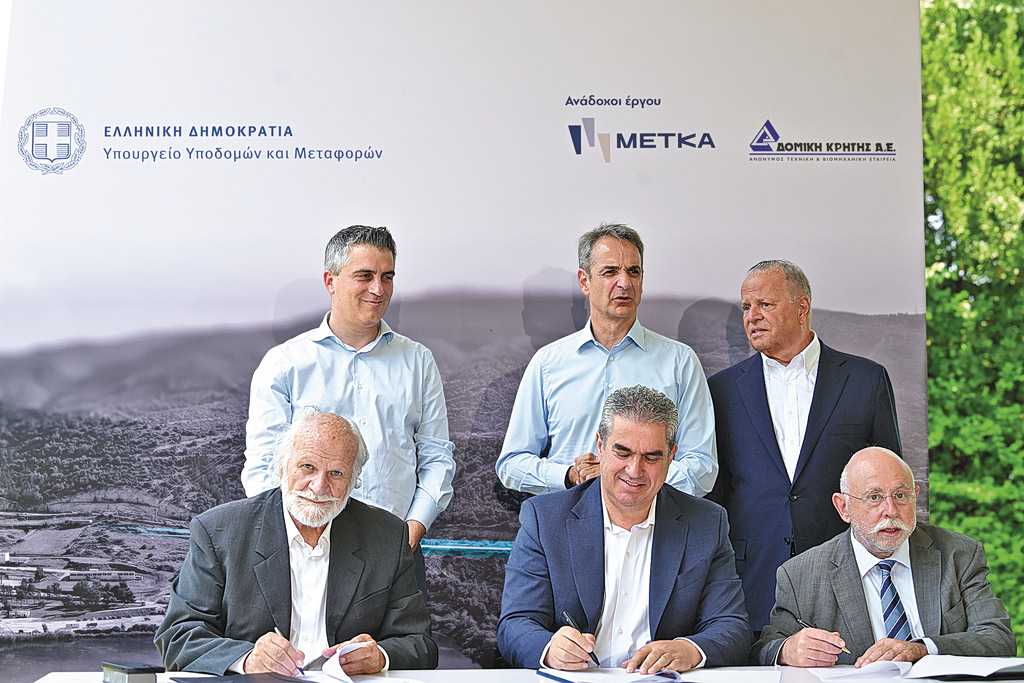
Concerns are mounting within the Greek Prime Minister's office (Maximos) due to persistent negative trends observed in recent opinion polls. The data indicates a steady erosion of public support, prompting a re-examination of the government's standing. Officials are reportedly scrutinizing the figures to understand the underlying causes of this ongoing decline. The specific nature of the 'persistent erosion' is not detailed, but the concern suggests a significant and sustained drop in approval ratings. This re-evaluation signifies a critical juncture for the government as it seeks to address the public's sentiment. The focus is on understanding the 'needle,' implying a close look at the fine details and underlying factors influencing voter perception. The government's response is expected to involve analyzing these poll results to formulate strategies aimed at reversing the negative trend and regaining public confidence.
The Greek government's concern over declining poll numbers suggests a potential disconnect between policy implementation and public perception. This situation warrants an analysis of communication strategies and policy effectiveness, considering how well current initiatives align with societal needs and expectations. Examining the incentives driving public opinion, such as economic conditions, social policies, and political messaging, will be crucial. Looking ahead, the government must consider how to adapt its governance model to the evolving demands of the digital age and increasing citizen engagement, ensuring transparency and responsiveness to foster long-term public trust.
AI-generated to prompt reflection — not editorial opinion, not advice, not a statement of fact. How this works.