Greek Minister Denounces AI-Generated Photo of PASOK Officials
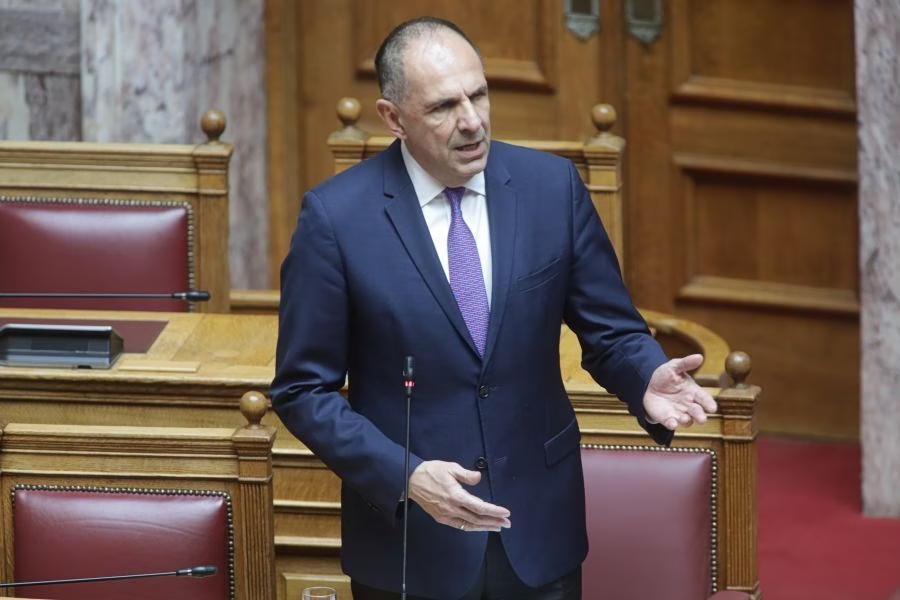
Greek Foreign Minister George Gerapetritis has strongly refuted a published photograph allegedly showing him with officials from the PASOK political party. Gerapetritis described the image as a "false publication" and a product of artificial intelligence. He has demanded an immediate retraction of the article that featured the fabricated picture. The minister asserted that he is being personally targeted through this deceptive content. This incident highlights the growing concern over the misuse of AI technology to create and spread disinformation, particularly in the political sphere. The publication of such manipulated images can have significant implications for public perception and political discourse. Gerapetritis's firm denial and call for retraction underscore the need for media literacy and robust verification processes in the digital age. The situation also points to the challenges authorities face in combating sophisticated AI-generated fake news.
AI-generated imagery presents a significant challenge to information integrity, particularly within political contexts. The capacity to fabricate realistic visuals can be exploited to sow discord, misrepresent individuals, and influence public opinion through deceptive means. This incident underscores the critical need for advanced detection mechanisms and robust digital verification protocols. As AI technology evolves, so too must our strategies for safeguarding against its malicious applications, ensuring that public discourse remains grounded in verifiable facts rather than synthetic fabrications. The long-term implications for trust in media and political processes necessitate a proactive approach to regulation and public education on media literacy.
AI-generated to prompt reflection — not editorial opinion, not advice, not a statement of fact. How this works.