Greek Minister Marinakis Criticizes Opposition for Alleged Cover-up of Violent Attacks
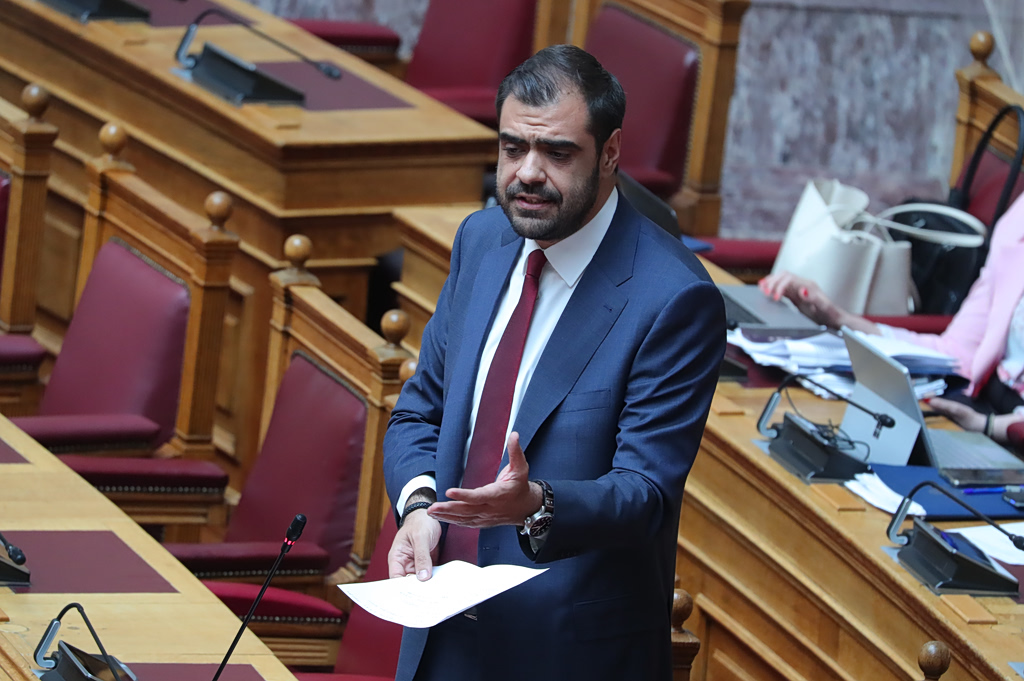
Panagiotis Marinakis, a Greek minister, has sharply criticized the opposition parties, accusing them of providing political cover for "murderous attacks." He stated that just as it is important to unmask perpetrators, it is equally crucial to expose those who shield them. Marinakis implied that some political figures have deliberately obscured the truth behind violent incidents. This strong statement suggests a significant political rift and accusations of complicity in serious criminal acts. The minister's remarks aim to draw a parallel between uncovering criminal actions and revealing political opportunism or obstruction. He emphasized the need for transparency and accountability, not only from those directly involved in violence but also from political entities that might have facilitated or downplayed such events. The context of these statements points to a heated political climate in Greece, where accusations of covering up criminal behavior are being leveled against opposition factions.
This statement from Minister Marinakis introduces a significant accusation against political opposition, framing their actions as providing cover for violent incidents. The analysis centers on the incentive structures that might drive such alleged behavior. Political actors may seek to leverage public sentiment around crime and security for electoral gain, potentially by either downplaying or selectively highlighting events. The minister's rhetoric appears designed to shift public perception, casting the opposition as complicit in societal disorder rather than offering alternative governance. Examining this through a decade-long lens, the increasing polarization and the weaponization of security concerns in political discourse could erode institutional trust. This dynamic highlights a potential systemic contradiction: the pursuit of political power potentially undermining the very public safety and order that citizens expect from their leaders and institutions.
AI-generated to prompt reflection — not editorial opinion, not advice, not a statement of fact. How this works.