Greek Minister: Reforms, Not Crises, Will Define Europe's Global Standing
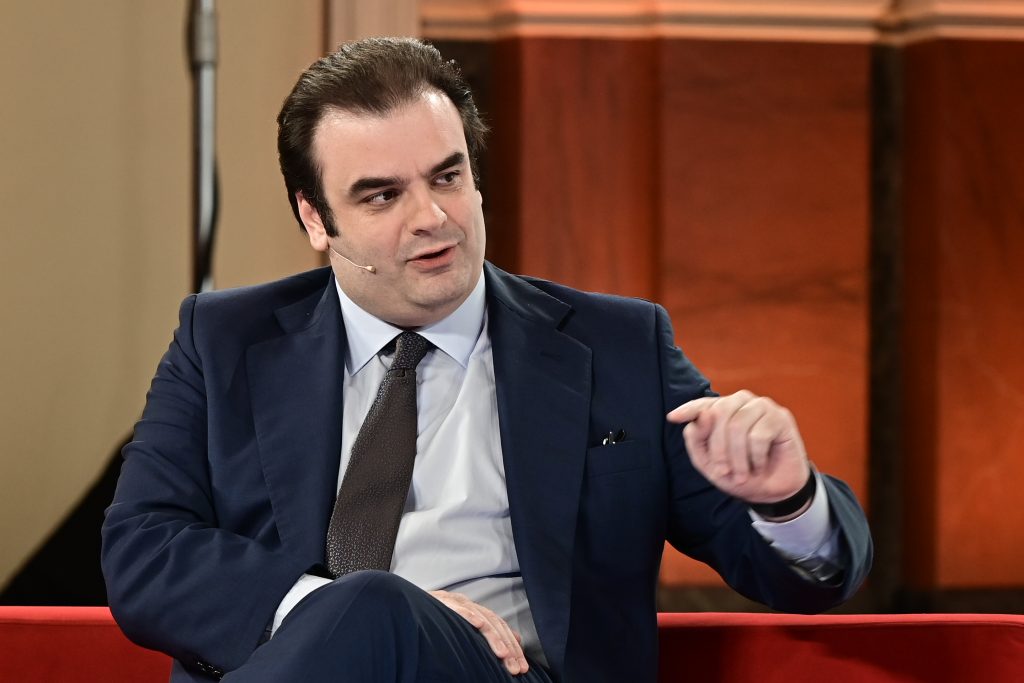
Kyriakos Pierrakakis, speaking to CNBC, stated that reforms and technological investments are crucial for determining Europe's position on the global stage. He described the Eurozone as resilient, despite acknowledging significant challenges. Among these challenges, Pierrakakis highlighted geopolitical instability stemming from the Middle East. Additionally, he pointed to the rising cost of borrowing as another factor impacting the economic landscape. The minister emphasized that proactive reforms are the key drivers for Europe's future success, rather than reacting to crises. His remarks underscore a focus on strategic development and technological advancement as central to Europe's competitive edge.
The assertion that reforms and technological investment, rather than crises, will shape Europe's global standing frames a forward-looking strategy. This perspective suggests that proactive, structural changes are more impactful than reactive measures to geopolitical or economic shocks. The resilience of the Eurozone, coupled with acknowledged pressures from the Middle East and increased borrowing costs, presents a complex operating environment. The emphasis on technology implies a recognition of the digital transformation's role in future economic competitiveness and geopolitical influence. This approach prioritizes long-term systemic development, potentially mitigating future vulnerabilities by building robust internal capacities and fostering innovation, thereby positioning Europe to navigate global complexities more effectively over the next decade.
AI-generated to prompt reflection — not editorial opinion, not advice, not a statement of fact. How this works.