Greek Police Intensify Arson Investigations with New Digital Forensics Unit
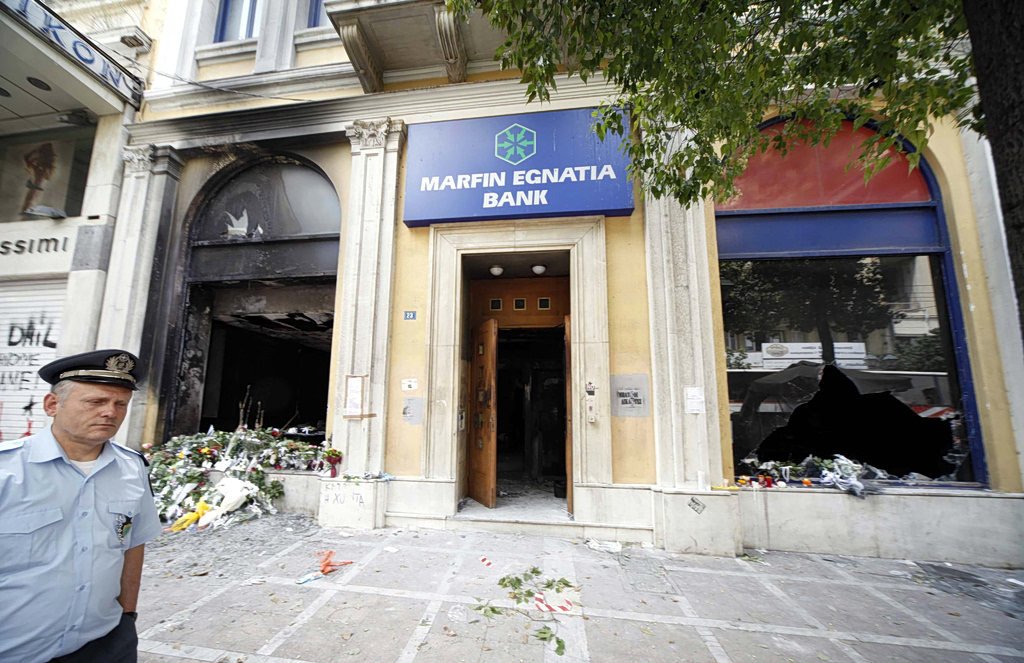
The Hellenic Police (EL.AS.) are conducting extensive investigations into approximately 500 arson incidents that occurred both before and after a significant tragedy. A crucial new unit, described as a "key service," is spearheading these efforts. This specialized unit is meticulously examining a vast amount of visual material, reportedly processing around 4,000 examinations of optical data. The focus of these investigations, as highlighted by Marfin, is to uncover the full background and details surrounding these numerous fires. The scale of the visual evidence being analyzed underscores the complexity and depth of the ongoing inquiry. The EL.AS. is leveraging advanced forensic capabilities to sift through this substantial volume of information. The objective is to identify patterns, perpetrators, and motives behind the widespread arson activities.
The Hellenic Police's deployment of a new digital forensics unit to analyze 4,000 visual examinations in relation to 500 arson cases signifies a strategic shift towards data-driven investigations. This approach reflects a broader trend in law enforcement globally, where technological advancements are crucial for managing complex and voluminous evidence. The emphasis on visual material suggests a focus on identifying perpetrators through surveillance footage, mobile device data, or other digital traces. Such a robust analytical framework is essential for addressing organized criminal activity or patterns of behavior that might otherwise go undetected. The effectiveness of this unit will depend on its integration with existing investigative protocols and its capacity to translate raw data into actionable intelligence, potentially deterring future incidents by increasing the perceived risk of detection.
AI-generated to prompt reflection — not editorial opinion, not advice, not a statement of fact. How this works.