Greek Politics: Dendias Prime Ministerial Scenarios Blocked
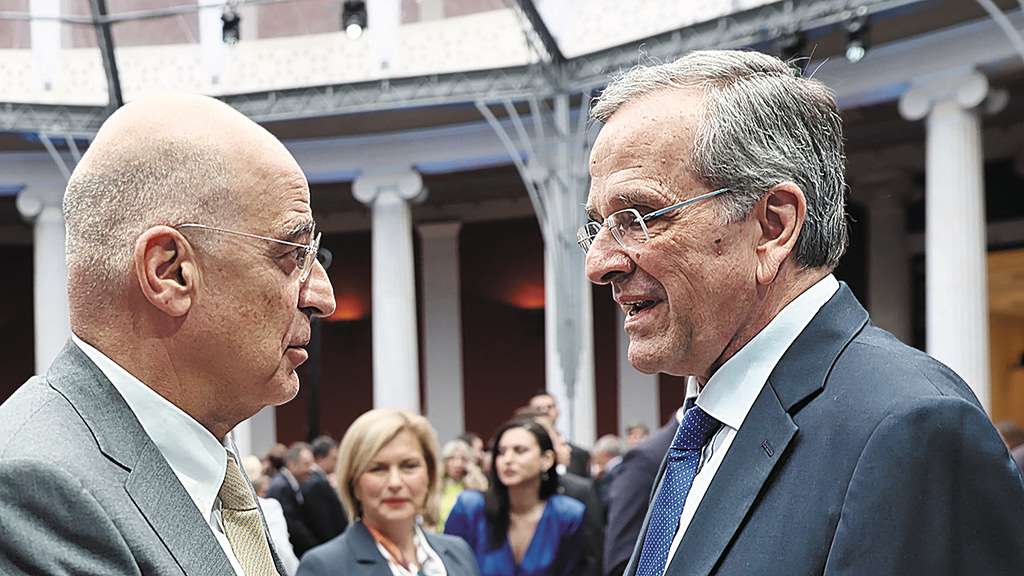
Intense speculation surrounding post-election collaborations and the formation of a new party by Antonis Samaras is masking deeper internal party dynamics within Greece. Recent statements by Pavlos Marinakis and Adonis Georgiadis appear to be aimed not only at preventing a coalition government with Samaras but also at definitively shutting down any possibilities of a coalition government with a specific individual as Prime Minister. This internal maneuvering suggests a strategic effort to control the narrative and potential leadership outcomes following an election. The underlying political landscape is complex, with various factions vying for influence and positioning themselves for future government formations. The focus on blocking certain scenarios indicates a desire to maintain existing power structures or to promote preferred candidates for key positions. The broader context involves the ongoing discussions about political alliances and the potential fragmentation or consolidation of the political party system. These developments highlight the intricate nature of Greek political negotiations and the importance of internal party consensus in shaping future governments. The statements by Marinakis and Georgiadis serve as a clear signal regarding the party's direction and its stance on potential leadership contenders.
The political maneuvering in Greece, as described, illustrates a common dynamic where internal party factions strategically manage public discourse and potential leadership outcomes. By preemptively blocking certain coalition scenarios, established figures aim to consolidate power and influence the post-election landscape, potentially to safeguard their own positions or to promote preferred successors. This approach, while aimed at achieving stability, can also stifle broader democratic participation and limit the range of viable political options presented to the electorate. In the context of evolving geopolitical and economic challenges, the ability of political systems to adapt and form broad-based, effective governments is crucial. The focus on internal party control over leadership selection may, over the long term, create systemic rigidity, making it harder to respond to emergent societal needs or to foster genuine political renewal.
AI-generated to prompt reflection — not editorial opinion, not advice, not a statement of fact. How this works.