Greek Priests Now State Employees with New Salary Structure
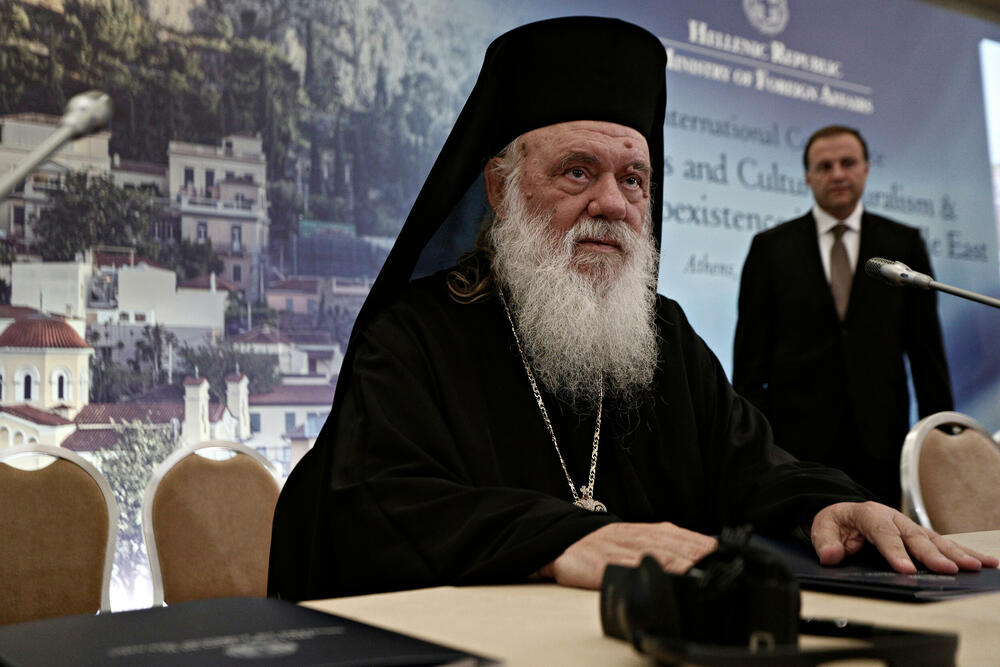
In Greece, the state and the church are not separate entities, leading to priests being classified as civil servants. Consequently, their salaries are now regulated according to public sector pay scales. The head of the Church will receive a monthly salary of 4,671.90 Euros. This change signifies a formal integration of the clergy into the state's employment framework.
The integration of clergy into the state's civil service employment structure in Greece, with a formalized salary scale and a specific monthly stipend for the head of the Church, reflects a deliberate policy choice to manage the relationship between religious institutions and the state. This approach, while ensuring a degree of financial stability and oversight for the clergy, also blurs the lines of institutional independence. As societies evolve, particularly with the increasing influence of digital governance and secularization trends, such intertwined systems may face scrutiny regarding transparency, equitable resource allocation, and the potential for undue influence. The long-term implications will likely depend on how effectively the state balances its public service obligations with the autonomy traditionally expected by religious organizations, especially in an era where public trust in institutions is paramount.
AI-generated to prompt reflection — not editorial opinion, not advice, not a statement of fact. How this works.