Greek rescuers return from Venezuela due to fears of infectious diseases
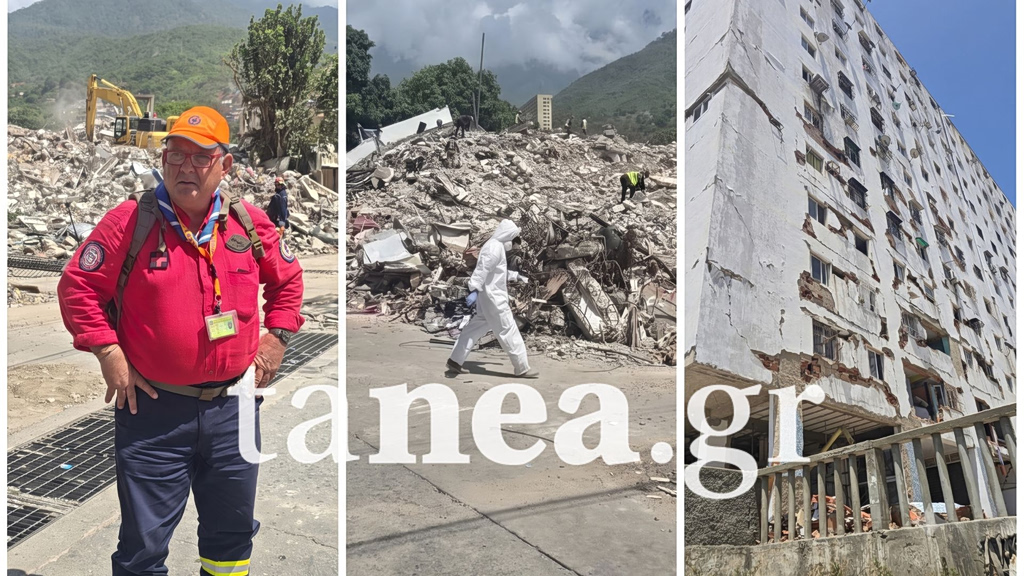
Greek rescuers from EPOMEA have returned from Venezuela due to concerns about infectious diseases. The lack of clean water in the affected areas significantly increases the risk of diseases such as cholera and typhoid fever. The team's withdrawal highlights the critical public health challenges faced in the region. This situation underscores the importance of access to safe drinking water for preventing the spread of serious illnesses. The decision to return was made to ensure the safety and health of the rescue personnel. Further assessments of the situation may be needed to determine future support.
The withdrawal of EPOMEA rescuers from Venezuela due to disease risk underscores the critical infrastructure challenges impacting humanitarian efforts in regions facing water scarcity. The potential for widespread infectious diseases like cholera and typhoid, exacerbated by a lack of clean water, presents a significant public health crisis. This situation highlights the complex interplay between environmental conditions, public health, and the feasibility of international aid operations. Future interventions may need to prioritize robust water purification and sanitation infrastructure alongside immediate relief to ensure the sustainability and safety of both aid workers and local populations. The long-term implications involve the need for systemic improvements in water management and public health systems to mitigate recurring risks.
AI-generated to prompt reflection — not editorial opinion, not advice, not a statement of fact. How this works.