Greek Shipping Firms Earned Nearly $4 Billion Transporting Russian Oil Despite Sanctions
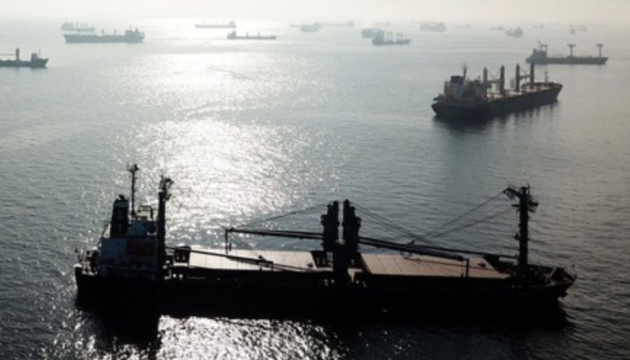
Greek shipping companies have generated at least $3.8 billion over the past three years by transporting Russian oil. This revenue was earned despite efforts by Group of Seven (G7) countries to limit the Kremlin's oil income. The substantial earnings highlight the continued role of Greek maritime businesses in the global oil trade, even amidst international sanctions aimed at curtailing Russia's financial resources. The data suggests that while G7 nations have attempted to restrict Moscow's oil revenues, significant financial flows have persisted through these shipping operations. This situation raises questions about the effectiveness of current sanctions and the complex dynamics of the international energy market. The specific period covered is the last three years, indicating a sustained pattern of activity.
The reported earnings of Greek shipping companies from transporting Russian oil, despite G7 sanctions, reveal a complex interplay between international policy and market realities. This situation underscores the challenges in enforcing comprehensive energy embargoes when global supply chains and demand are deeply interconnected. The financial incentives for shipping firms to engage in such trade appear to outweigh the geopolitical risks or sanctions enforcement mechanisms currently in place. Future policy considerations might need to address the potential for 'sanctions arbitrage' and explore more robust mechanisms to ensure the efficacy of economic statecraft, particularly in critical sectors like energy. This dynamic also prompts reflection on the resilience of global trade networks and the persistent demand for energy resources, irrespective of their origin.
AI-generated to prompt reflection — not editorial opinion, not advice, not a statement of fact. How this works.