Greek Trains Lack Automatic Braking System 3.5 Years After Tempi Tragedy
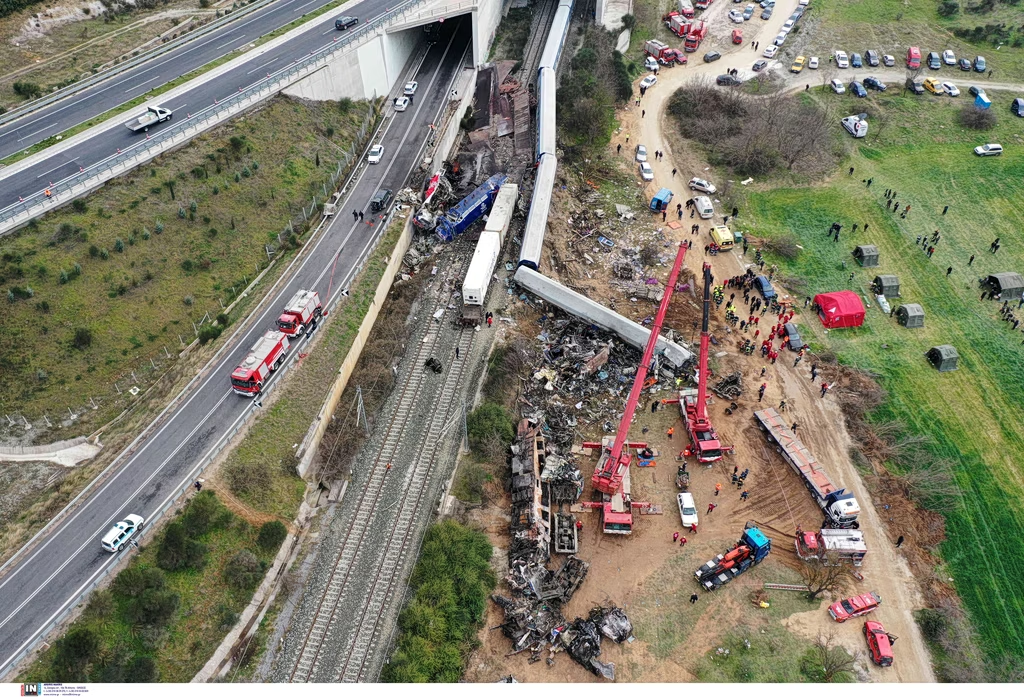
Three and a half years after the tragic accident in Tempi, the crucial ETCS automatic braking system remains non-operational on the Greek railway network. This significant admission was made by the CEO of Hellenic Railways, Christos Paliós, during a parliamentary committee hearing. Paliós was compelled to acknowledge the system's inoperability following persistent questioning from committee members. Despite previous assurances, licensing, and installation efforts, the safety system is not functioning as intended. The lack of this critical safety feature raises serious concerns about the preparedness and safety standards of the country's rail infrastructure. The continued absence of the ETCS system highlights a persistent gap in the implementation of essential safety upgrades following a devastating event. This situation underscores the ongoing challenges in fully modernizing and securing the railway network to prevent future tragedies. The delay in activating the automatic braking system poses a significant risk to passenger and freight transport across Greece.
The continued absence of the ETCS automatic braking system on Greek railways, three and a half years after the Tempi tragedy, points to systemic issues in infrastructure modernization and safety implementation. This situation suggests potential challenges in project execution, regulatory oversight, or resource allocation within Hellenic Railways. The delay raises questions about the effectiveness of post-tragedy safety reforms and the prioritization of critical safety technologies. Moving forward, a thorough review of the implementation process, including contractual obligations, technical readiness, and independent verification protocols, is necessary. Understanding the root causes of these delays is crucial for ensuring that future safety investments are effectively deployed to mitigate risks and enhance public confidence in the rail network.
AI-generated to prompt reflection — not editorial opinion, not advice, not a statement of fact. How this works.