Green Card Dreams Turn Green with New Fee Proposals
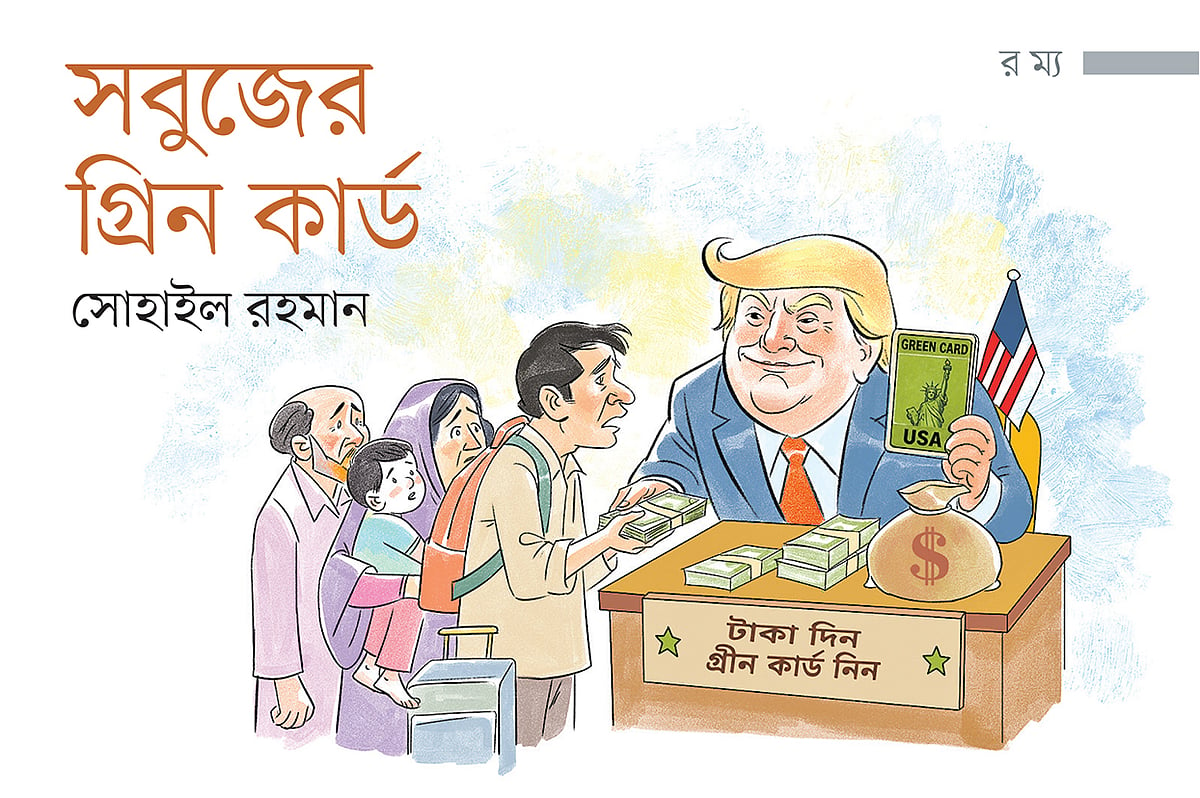
The allure of the U.S. Green Card, long a cherished dream for many Bangladeshis, is facing significant hurdles due to proposed fee increases. Previously, obtaining a Green Card offered a pathway to financial security and settlement in the United States. However, recent discussions about a potential $100,000 fee, reportedly considered by the Trump administration, have cast a shadow over these aspirations. This significant financial barrier has led many to question the feasibility of their dreams, with one individual, Sabuj, lamenting the paradox: if one possesses $100,000, why would they need to go to the U.S. to earn money? His uncle humorously suggested it would be cheaper to travel to the moon. The conversation highlights a broader societal shift, with the uncle preferring local "cards" like family, farmer, or fuel cards, which offer benefits rather than impose costs. Meanwhile, everyday communication costs are also a concern, with one relative complaining about rapidly depleting phone credit. The narrative also touches upon the financial transactions associated with daily life, such as ATM card usage for purchases like shrimp. The story takes a humorous turn when Sabuj's younger brother, Rimon, is mistakenly accused of playing a card game called "Twenty-Nine," with the blame ultimately falling on the Green Card issue. Sabuj, from a village in Satkhira, was once a source of pride for his community, expected to bring honor by settling in the U.S. Now, he feels he would have to sell his entire village to afford the journey. Despite the obstacles, Sabuj remains determined, even considering illegal means, drawing a parallel to a fictional portrayal of Shah Rukh Khan's journey. The idea of a "Green Card loan" is also explored, but deemed impractical due to collateral requirements. Ultimately, Sabuj managed to gather $40,000, but instead of pursuing the U.S. dream, he invested in a flat, which he now rents out, earning significantly more than many U.S. expatriates. He has even named his building "New York" and created his own "Green Card" system for entry, requiring a nominal fee.
The proposed increase in U.S. Green Card fees, as depicted in the narrative, reflects a potential shift in immigration policy driven by financial considerations. While governments may seek revenue or regulate immigration flows through economic means, such policies can inadvertently create barriers for individuals with genuine aspirations and limited financial means. This situation highlights the tension between national interests and individual dreams, prompting consideration of alternative pathways and the socio-economic impact of stringent financial requirements on global mobility. The story's satirical portrayal of "Green Card" alternatives and the eventual entrepreneurial success within Bangladesh suggests that economic opportunities and personal fulfillment can be found domestically, even when international aspirations are curtailed. This underscores the importance of fostering local economic growth and innovation as a counterbalance to the perceived necessity of emigration for advancement.
AI-generated to prompt reflection — not editorial opinion, not advice, not a statement of fact. How this works.