Green Human City Demands Closure of Polluter Responsible for White Foam in Rivers
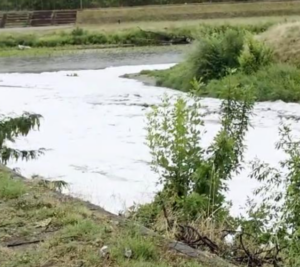
The initiative 'Green Human City' has reacted to recent images and photographs showing a large amount of white foamy material that initially covered the Lepenec River and then flowed into the Vardar River. The group has characterized this incident as 'another ecocide against the environment.' They are now demanding that the polluter responsible for releasing the white foam into the rivers be shut down. This event highlights ongoing environmental concerns regarding industrial discharge and its impact on local waterways. The initiative emphasizes the severity of the pollution and calls for immediate action to identify and penalize the source. The incident underscores the need for stricter environmental regulations and enforcement to prevent future ecological damage. 'Green Human City's' call for closure aims to hold accountable the entity responsible for this significant environmental breach. The situation in the Lepenec and Vardar rivers serves as a stark reminder of the delicate balance of ecosystems and the consequences of industrial negligence. Further investigation is expected to determine the exact origin and composition of the foam.
The incident involving white foam polluting the Lepenec and Vardar rivers, as reported by 'Green Human City,' points to a critical failure in industrial waste management and environmental oversight. The characterization of the event as 'ecocide' suggests a severe breach of ecological standards, potentially stemming from inadequate regulatory enforcement or deliberate disregard for environmental protection laws. Moving forward, it is essential to investigate the source of the pollution thoroughly, not only to assign responsibility but also to implement preventative measures. This situation highlights the systemic challenge of balancing industrial activity with environmental preservation, particularly in regions facing development pressures. Future strategies should focus on strengthening monitoring systems, promoting cleaner production technologies, and ensuring robust legal frameworks that deter and penalize polluters effectively, thereby safeguarding public health and natural resources for the long term.
AI-generated to prompt reflection — not editorial opinion, not advice, not a statement of fact. How this works.