Greenland Meltwater to Significantly Weaken Key Atlantic Currents, Study Predicts
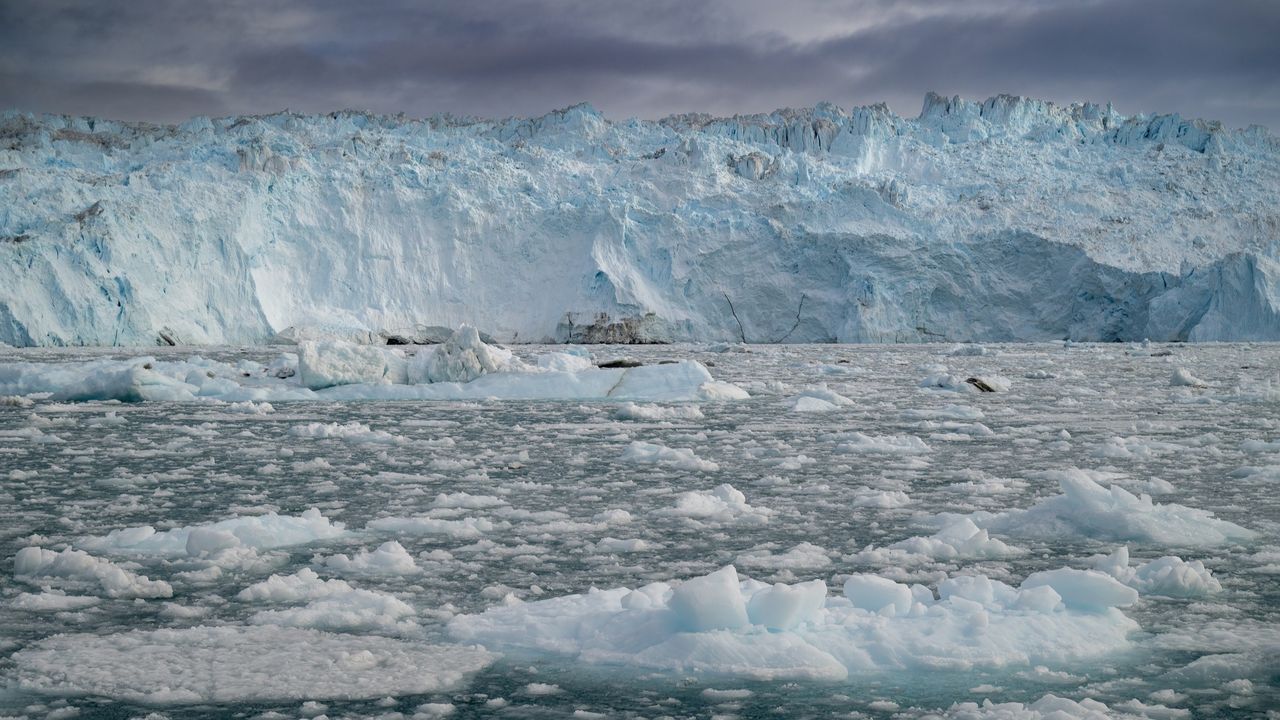
New climate modeling indicates that meltwater from Greenland's ice sheet will exert a substantial weakening effect on the Atlantic Meridional Overturning Circulation (AMOC). This crucial system of ocean currents plays a vital role in regulating global climate patterns. While the study suggests a significant impact, it also concludes that the influx of freshwater is unlikely to trigger a complete and irreversible shutdown of these currents. The findings highlight the sensitivity of major oceanographic systems to climate change and the potential for cascading effects on weather and climate worldwide. Researchers used advanced modeling techniques to simulate the complex interactions between ice melt and ocean dynamics. The AMOC's weakening could have far-reaching consequences, potentially altering temperature and precipitation patterns across continents. However, the current projections suggest a 'strong weakening' rather than a total collapse, offering a degree of resilience in the system. Further research is ongoing to refine these predictions and understand the full scope of potential impacts.
The study's findings underscore the profound impact of anthropogenic climate change on critical Earth systems, specifically the AMOC. The projected 'strong weakening' rather than a complete shutdown suggests a complex interplay of feedback loops and thresholds within the climate system. Future research should focus on refining the predictive models to better quantify the timeline and severity of these changes, as well as investigating potential adaptation strategies for regions likely to be affected by altered ocean circulation. Understanding the tipping points and resilience capacities of such large-scale systems is paramount for long-term climate policy and risk assessment in the coming decades.
AI-generated to prompt reflection — not editorial opinion, not advice, not a statement of fact. How this works.