Greenland Shark Found Stranded in Ireland Offers Clues to Longevity
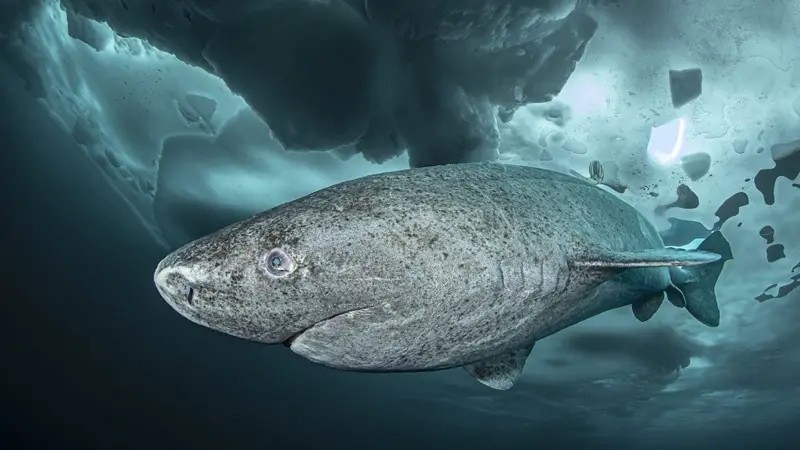
A Greenland shark, estimated to be over 150 years old, washed ashore in County Sligo, Ireland, in April 2026, marking the first recorded stranding of its kind in the country. This individual, measuring approximately 3 meters long and weighing over 200 kilograms, was considered relatively young for its species, which is the longest-living vertebrate known, with lifespans estimated between 300 and 500 years. Researchers believe it was born during the era of Queen Victoria and President Abraham Lincoln. The rare stranding provided a unique opportunity for scientists to study this elusive creature, which inhabits the North Atlantic and Arctic waters. Marine biologists Emilie De Loose and Jasmine Stavenow Jerremalm, along with other researchers from various institutions including the National Museum of Ireland, conducted a necropsy to gather information. The process involved careful handling due to the potential presence of ancient bacteria or viruses within such a long-lived animal. Greenland sharks are solitary, slow-moving predators that primarily scavenge but are also capable hunters, using powerful suction to swallow prey whole. Despite their size and longevity, much remains unknown about their biology, including their reproductive habits and exact population numbers, making conservation efforts challenging. The collected skin, preserved for taxidermy, is intended for future exhibition at the National Museum of Ireland to educate the public about this mysterious species and the scientific research involved.
The discovery of a centuries-old Greenland shark in Ireland highlights the vast unknowns surrounding long-lived species and their ecological roles. While the animal's longevity is remarkable, its premature death before reproductive maturity underscores potential population vulnerabilities. The scientific investigation, though yielding valuable data, also reveals systemic gaps in our understanding of Arctic marine ecosystems and species like the Greenland shark. Future research should focus on non-invasive methods to study their behavior, reproduction, and population dynamics, especially given the increasing pressures of climate change and potential fishing bycatch. Understanding these fundamental biological processes is crucial for effective conservation in the coming decades, moving beyond reactive studies of stranded individuals to proactive ecosystem management.
AI-generated to prompt reflection — not editorial opinion, not advice, not a statement of fact. How this works.