Greifenstein Debates Wolf Attacks and Culling Plans Amidst Livestock Concerns
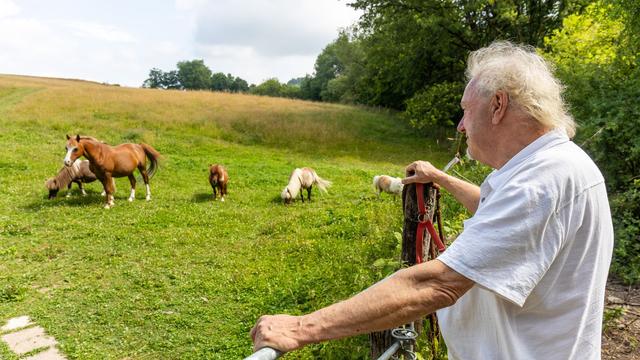
A significant debate is unfolding in Greifenstein, Germany, concerning wolf attacks on livestock and proposed culling plans. Local residents and farmers are increasingly expressing alarm over the presence of wolves and the resulting damage to their animals. The intensity of these discussions highlights a growing tension between wildlife conservation efforts and the practical concerns of those whose livelihoods are directly affected by predator populations.
The specific details of the wolf attacks, including the number of incidents and the types of livestock affected, are central to the ongoing discussions. These events have fueled calls for more decisive action from authorities, leading to the consideration of various management strategies, including the controversial prospect of culling. The outcome of these deliberations in Greifenstein could set a precedent for how similar human-wildlife conflicts are addressed in other regions of Germany.
The situation in Greifenstein exemplifies a common challenge in balancing ecological restoration with human economic and safety interests. As wolf populations recover across Europe, communities that have not coexisted with these predators for generations face new management dilemmas. The debate centers on the perceived efficacy and ethical implications of culling versus non-lethal deterrents, such as improved fencing and livestock guarding. Future policy decisions will likely involve complex trade-offs, requiring robust scientific data on wolf behavior and population dynamics, alongside transparent stakeholder engagement to foster sustainable coexistence. The long-term success of conservation hinges on developing adaptive management frameworks that address both ecological goals and the socio-economic realities faced by affected communities.
AI-generated to prompt reflection — not editorial opinion, not advice, not a statement of fact. How this works.