Grizzly Bear Population Rebounds in the US
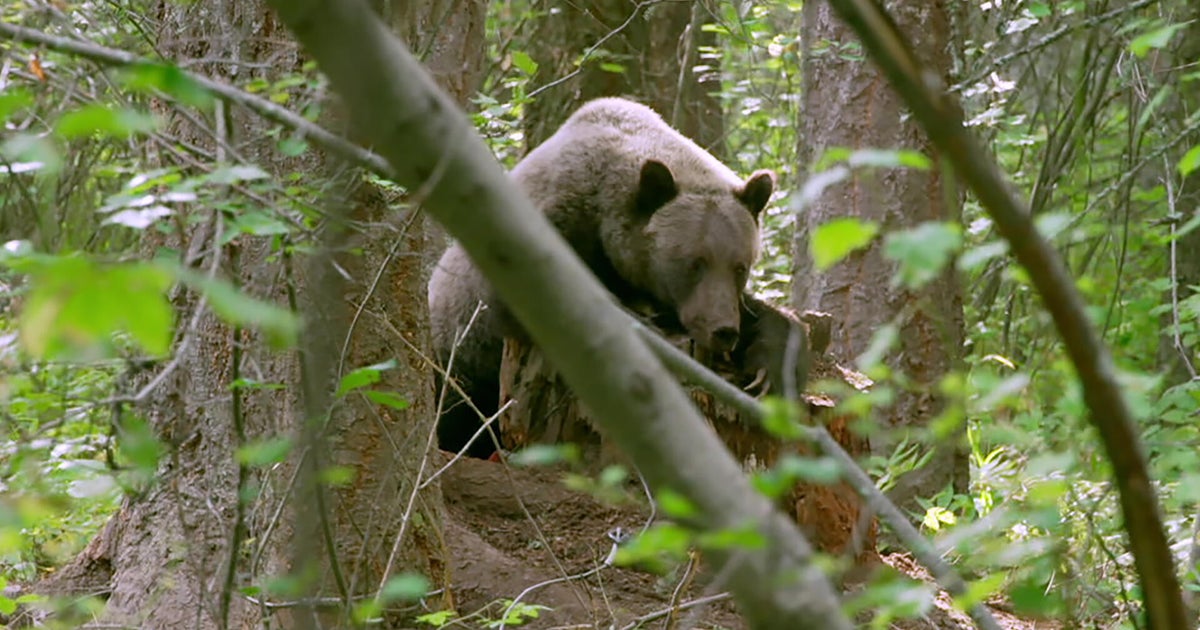
A 2020 report from 60 Minutes, featuring correspondent Bill Whitaker, explored the significant resurgence of grizzly bear populations across the United States. Once critically endangered, these bears have shown a remarkable recovery in numbers and range. The segment highlighted the conservation efforts that have contributed to this comeback. It detailed the challenges and successes involved in managing a recovering predator population. The report likely touched upon the ecological benefits of their return to various habitats. It also may have addressed the ongoing human-wildlife coexistence issues that arise with increased bear presence. The archive footage offers a look at the state of grizzly conservation efforts from a few years ago. This provides context for current discussions on wildlife management and endangered species recovery.
The recovery of the grizzly bear population in the United States represents a significant success in long-term conservation policy, demonstrating that dedicated efforts can reverse species decline. However, this resurgence also intensifies the complex challenge of human-wildlife coexistence. As bear populations expand, the potential for conflict with human settlements, agriculture, and recreational activities increases, necessitating adaptive management strategies. Future policy will need to balance ecological recovery goals with the safety and economic concerns of local communities, potentially leveraging technological solutions for monitoring and conflict mitigation. The long-term success hinges on sustained public and political will to manage these apex predators and their habitats effectively within an evolving landscape.
AI-generated to prompt reflection — not editorial opinion, not advice, not a statement of fact. How this works.