Grolsch Acquires Family-Owned Gulpener Brewery Amidst Market Decline
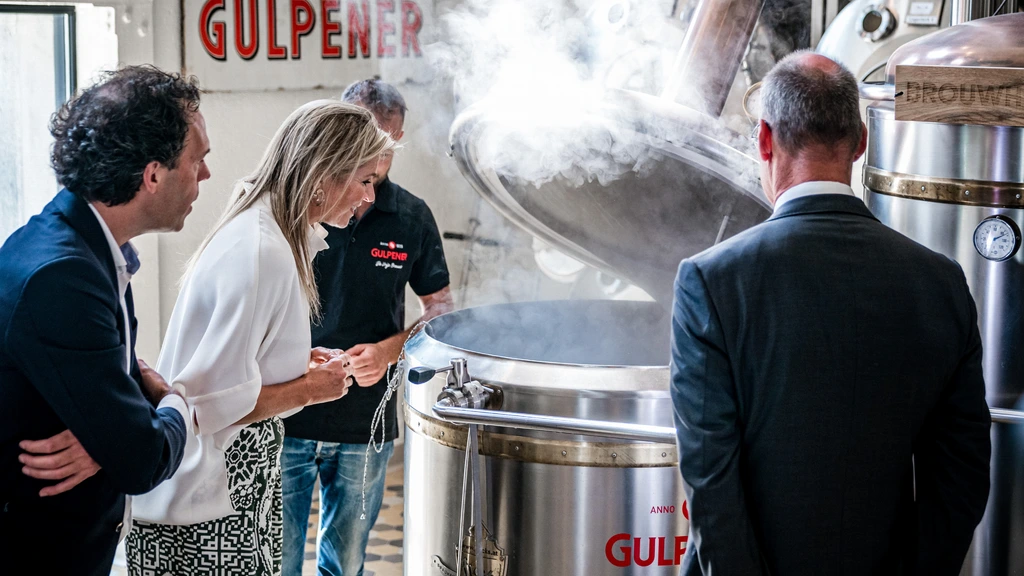
Dutch beer giant Grolsch has completed the acquisition of Gulpener, a 200-year-old family-owned brewery based in Limburg. Grolsch, which previously held a 15% stake, has now purchased the entire company, though the financial terms of the deal were not disclosed. Jan-Paul Rutten, director of Gulpener, cited the significant decline in the beer market as a primary driver for the sale, stating that the company was facing increasing financial pressure and needed to adapt to avoid a critical situation. The acquisition involves the transfer of shares from Jan-Paul Rutten and his sister, Maartje, who expressed emotional difficulty in parting with the family's long-standing identity. Rutten acknowledged that while the decision is emotionally taxing, it is a pragmatic choice for the company's future. Economies of scale were a key factor in the decision to merge with the larger Grolsch. Details of the integration process are expected to be finalized within the next six to nine months. Gulpener's brands and products will continue to be available in the market, leveraging their existing strengths. Approximately 75 employees work at the Gulpener site in Gulpen, and currently, there are no plans for layoffs.
This acquisition reflects broader consolidation trends within the European beverage industry, driven by market saturation and evolving consumer preferences. The declining beer market forces smaller, independent breweries like Gulpener to seek integration with larger entities to achieve necessary economies of scale and operational efficiencies. While Grolsch's acquisition secures Gulpener's brands and employment in the short term, the long-term viability of distinct regional brands within a consolidated portfolio will depend on strategic market positioning and brand management. The integration process will be critical in determining whether Gulpener can maintain its identity and market presence while benefiting from Grolsch's resources, navigating the inherent tension between corporate efficiency and heritage-based brand equity.
AI-generated to prompt reflection — not editorial opinion, not advice, not a statement of fact. How this works.