Groninger Museum Relocates Priciest Acquisition Ever to University Library
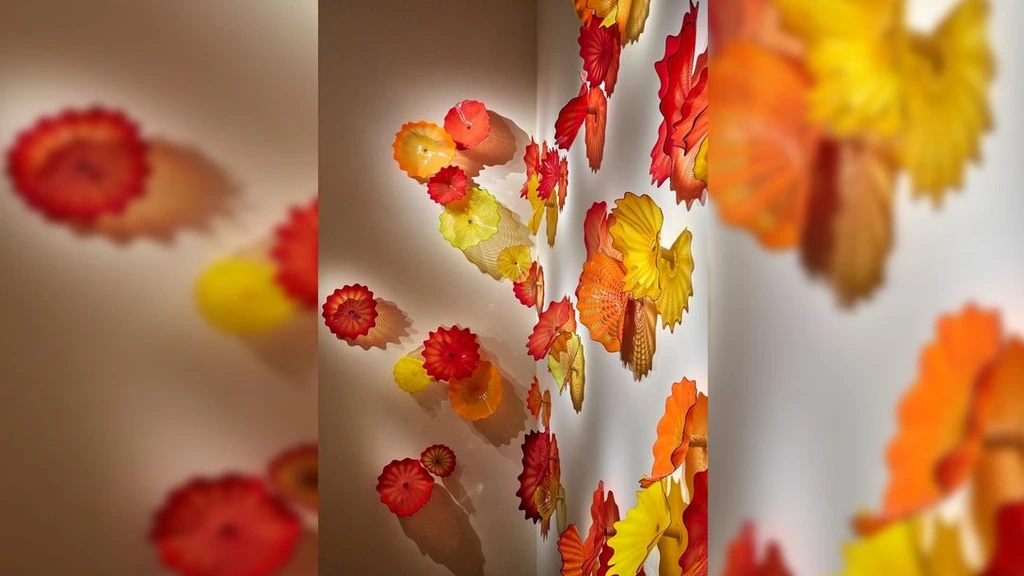
The Groninger Museum is undertaking the surprising relocation of its most expensive acquisition to date, Dale Chihuly's "Grand Stairwell Installation." This significant glass artwork, purchased for nearly one million euros in 2019 with support from entities like the Mondriaanfonds and Vereniging Rembrandt, is being moved from the museum's stairwell to the University Library (UB) in the city center. Museum artistic director Roos Gortzak stated the new location will allow the artwork to reach a new audience and engage with light and movement in a different manner. However, former Groninger Museum director Andreas Blühm has expressed strong reservations, citing concerns about the complexity and potential cost of the move. He also highlighted that the "Grand Stairwell Installation" was specifically designed for the museum's stairwell, emphasizing its site-specific nature and the risk of damage to the individual glass sculptures, each weighing between eight and fifteen kilograms. Blühm fears that the reassembly at the UB may compromise the dynamic artistic integrity of the piece, potentially leading to a less impactful presentation. The university library views the move as an opportunity for the artwork to interact with the outside world through its glass facade, fostering a dialogue between nature and culture. UB director Marjolein Nieboer added that the work will be freely accessible daily to students and visitors, becoming integrated into academic research and daily library life. Specific details regarding the cost of the relocation and the exact terms of the agreement between the museum and the University of Groningen have not yet been disclosed, pending finalization of contractual conditions.
The relocation of the "Grand Stairwell Installation" by the Groninger Museum raises questions about the long-term stewardship of significant public art acquisitions. While the stated intention is to increase accessibility and artistic engagement, the move from a purpose-built, site-specific location to a new environment necessitates a reinterpretation of the artwork. This process inherently involves potential risks, including physical damage during transit and a compromise of the original artistic intent, as noted by former director Andreas Blühm. The financial and logistical complexities, coupled with the potential for diminished artistic impact, warrant careful consideration of the trade-offs between preservation, accessibility, and artistic integrity. Future institutional decisions regarding high-value, site-specific artworks should prioritize robust conservation strategies and thorough impact assessments to safeguard both the cultural heritage and the artist's vision.
AI-generated to prompt reflection — not editorial opinion, not advice, not a statement of fact. How this works.