Groundwater Levels Plummet to Extremely Low Levels Due to Drought
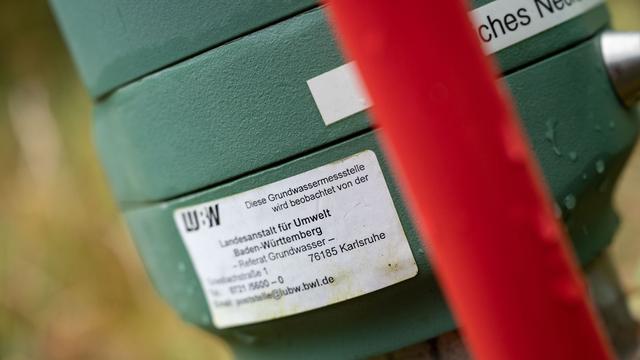
Germany is experiencing critically low groundwater levels, a direct consequence of prolonged drought conditions. The dryness has severely impacted the nation's water resources, raising concerns about future availability. This situation highlights the vulnerability of water supplies to extended periods of low precipitation. Authorities are monitoring the situation closely, as the low groundwater levels can affect ecosystems, agriculture, and drinking water supply. The long-term implications for water management and infrastructure are becoming increasingly apparent. This trend underscores the need for adaptive strategies to cope with changing climatic conditions and their effects on vital resources. The extreme dryness necessitates a re-evaluation of water usage policies and conservation efforts across the country. The current state of groundwater reserves poses a significant challenge for environmental sustainability and economic stability.
The persistent drought and resulting critically low groundwater levels in Germany signal a significant challenge to water resource management. This situation reflects broader global trends driven by climate change, which is increasing the frequency and intensity of extreme weather events, including prolonged dry spells. The low groundwater levels have cascading effects, impacting everything from agricultural yields and industrial processes to natural ecosystems and the reliability of drinking water supplies. From a systemic perspective, this event underscores the urgent need for robust, long-term water conservation strategies and potentially significant investments in water infrastructure, such as improved storage and efficient distribution networks. Furthermore, it highlights the interconnectedness of climate, environment, and human activity, prompting a critical examination of land use policies and water consumption patterns in the face of evolving environmental realities. The next decade will likely see increasing pressure on such resources, making proactive adaptation and sustainable management paramount.
AI-generated to prompt reflection — not editorial opinion, not advice, not a statement of fact. How this works.
