Guaíba River Reaches Alert Level in Porto Alegre
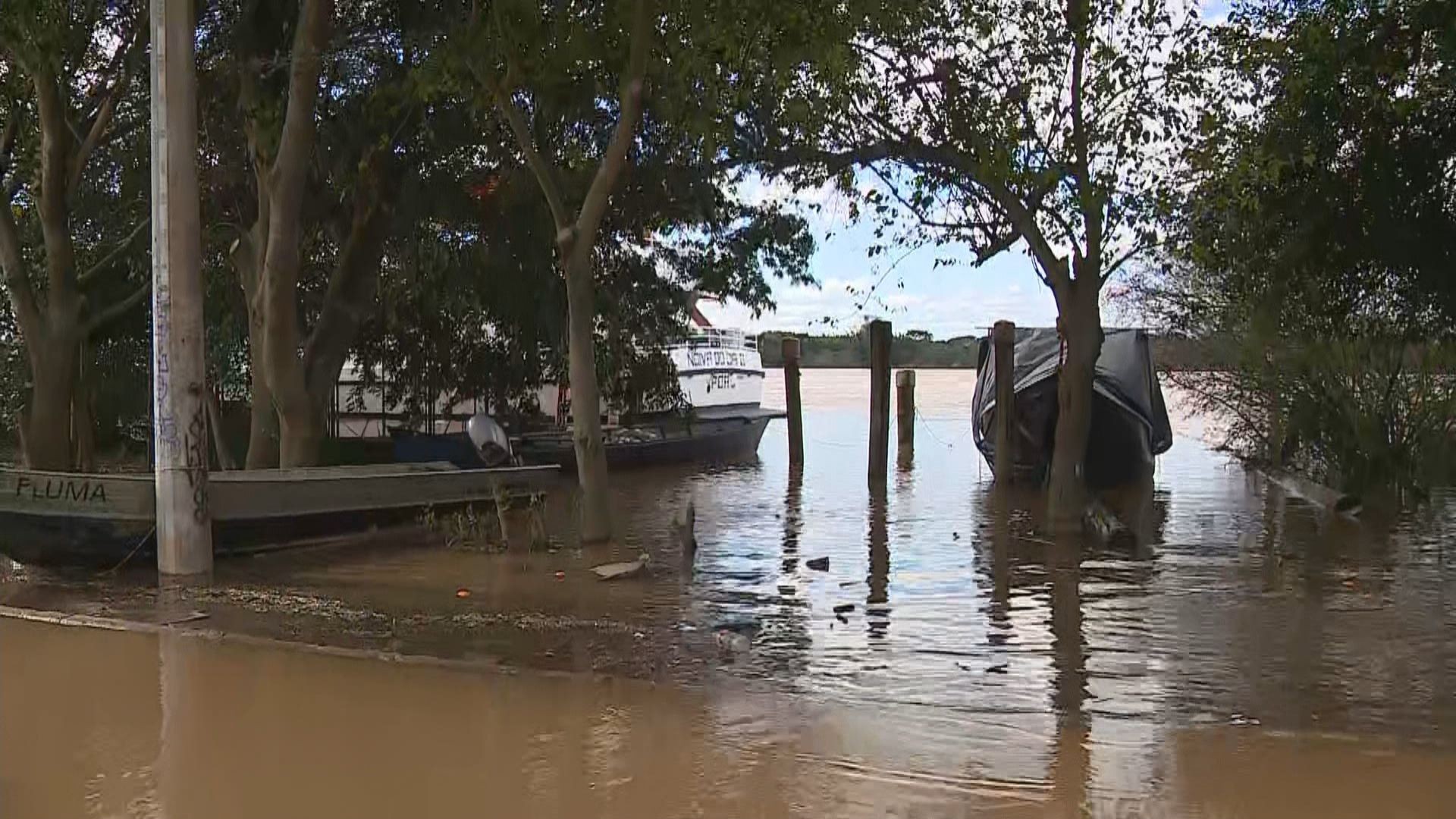
The Guaíba River's water level surpassed the alert threshold at Cais Mauá in Porto Alegre's central region early Friday morning, May 31st. The alert level is set at 2.50 meters, with measurements reaching 2.51 meters by early morning. According to the Geological Survey of Brazil (SGB), the river's level rose approximately one centimeter per hour overnight. The alert level signifies a concerning height with increased probability of impacts in vulnerable areas, serving as an intermediate stage between the attention and flood levels. While the attention level prompts increased monitoring, the alert level indicates a higher risk scenario and potential for flooding if the rise continues. The flood level is reached when water overflows into streets and structures. Porto Alegre's city hall had anticipated the Guaíba reaching the alert level this weekend. Colonel Luciano Boeira, coordinator of Civil Defense for Rio Grande do Sul, projected on Wednesday, May 29th, that the level at Cais Mauá could fluctuate between 2.70 and 2.90 meters. Porto Alegre's Civil Defense stated that the rise could primarily affect riverside areas of the islands, as well as the Far South and South zones of the city. The warning is in effect until 6 PM on Saturday, June 1st.
The rising water levels of the Guaíba River highlight the recurring vulnerability of Porto Alegre's low-lying areas to hydrological events. This situation underscores the critical need for robust urban planning and infrastructure resilience in the face of potential climate change impacts, which may increase the frequency and intensity of extreme weather. While immediate civil defense measures are essential for managing current risks, a long-term strategy focusing on sustainable land use, improved drainage systems, and potentially managed retreat from the most exposed zones will be crucial for mitigating future impacts. Evaluating the effectiveness of current alert systems and their communication protocols is also vital to ensure timely and adequate public response.
AI-generated to prompt reflection — not editorial opinion, not advice, not a statement of fact. How this works.