Guangxi Flood: Why a Reservoir Built During the Great Leap Forward Failed Against Extreme Flooding
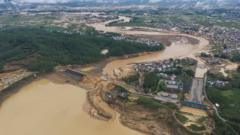
A 66-year-old reservoir in Guangxi has failed following a torrential downpour, sparking widespread discussion about the safety of China's aging water infrastructure. The reservoir, constructed during the Great Leap Forward era, was unable to withstand the extreme floodwaters. This incident raises critical questions regarding the structural integrity and maintenance of similar reservoirs across the country, many of which were built decades ago under different design standards and environmental conditions. The failure highlights potential vulnerabilities in China's flood control systems, particularly in the face of increasingly severe weather events attributed to climate change. Experts are calling for urgent assessments and upgrades to ensure the safety of communities living downstream from these historical water management structures. The event underscores the need for a comprehensive review of China's reservoir network, prioritizing modernization and resilience against future extreme weather.
The failure of this Great Leap Forward-era reservoir against extreme rainfall prompts a systemic examination of China's aging water infrastructure. While built with the engineering capabilities of its time, such structures may not meet contemporary standards for resilience against the intensified weather patterns now being observed globally. This event highlights a potential tension between historical development priorities and current climate realities. Future-proofing such critical infrastructure will likely require substantial investment in upgrades, rigorous maintenance protocols, and potentially the strategic decommissioning or reinforcement of older facilities. The challenge lies in balancing historical preservation with the imperative of public safety in an era of escalating environmental volatility.
AI-generated to prompt reflection — not editorial opinion, not advice, not a statement of fact. How this works.