Guangxi Flooding: Why a 66-Year-Old Reservoir Built During the Great Leap Forward Failed
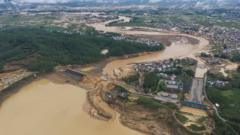
A 66-year-old reservoir in Guangxi has failed following a severe rainstorm, triggering widespread discussion about the safety of China's aging infrastructure. The reservoir, constructed during the Great Leap Forward era, could not withstand the extreme flooding conditions. This event has raised concerns about the structural integrity of similar reservoirs across the country, many of which were built decades ago. The failure highlights potential vulnerabilities in China's water management systems when faced with increasingly intense weather events. Authorities are now facing scrutiny over maintenance and upgrade protocols for these historical water control structures. The incident underscores the need for comprehensive assessments and modernization efforts to ensure public safety and prevent future disasters.
The failure of this 66-year-old reservoir, a relic of the Great Leap Forward, during extreme rainfall prompts an examination of China's infrastructure resilience. The event raises questions about the long-term efficacy of construction standards from that era and the adequacy of ongoing maintenance and modernization programs for such aging critical assets. As climate change intensifies weather volatility, the capacity of older infrastructure to cope with unprecedented hydrological events becomes a significant systemic risk. Evaluating the investment priorities and oversight mechanisms for maintaining and upgrading these vital water management systems is crucial for future disaster preparedness and public safety.
AI-generated to prompt reflection — not editorial opinion, not advice, not a statement of fact. How this works.