Guapiara to Relocate Municipal Offices from Mental Health Center Building
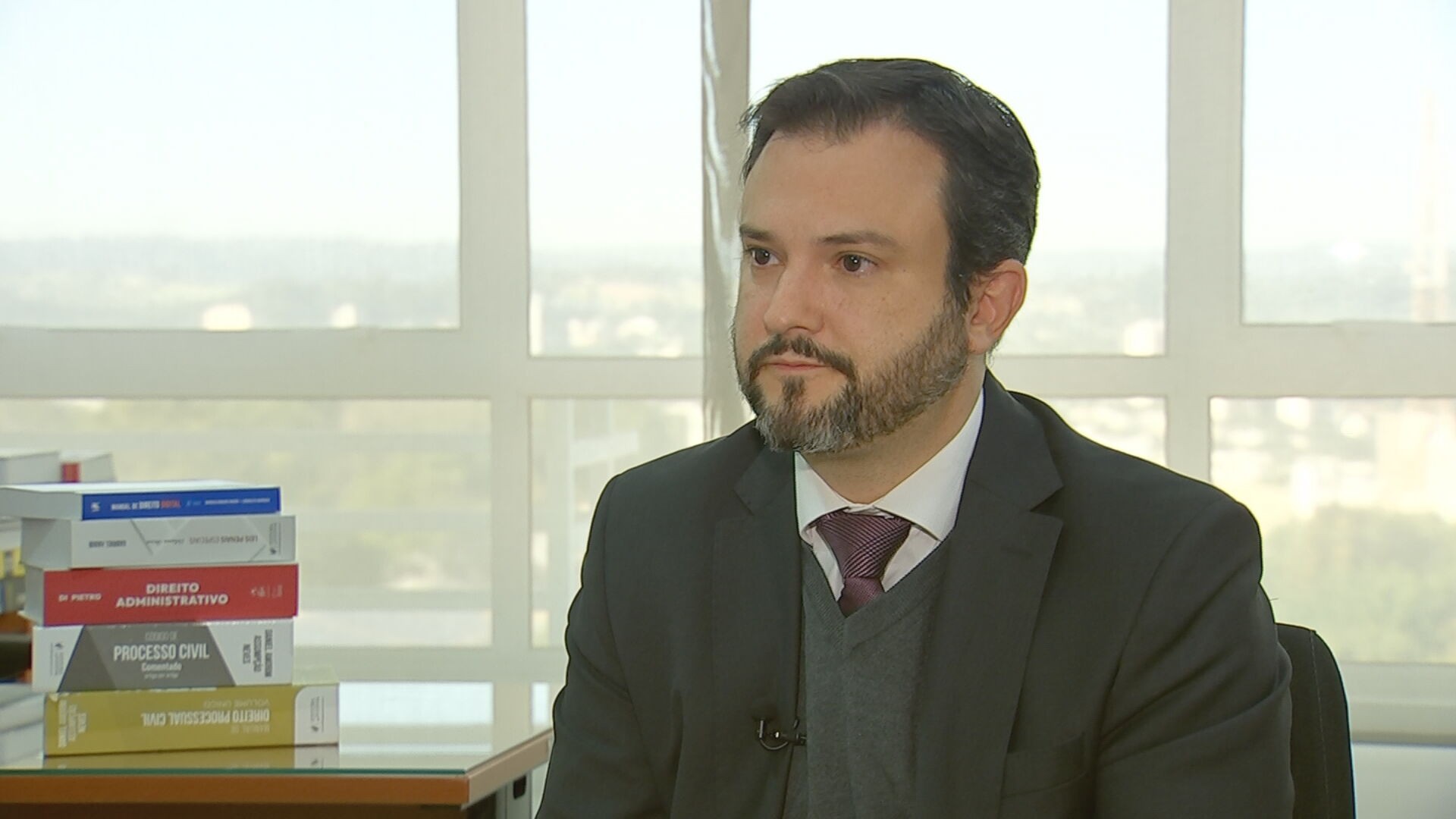
The municipality of Guapiara, São Paulo, has entered into an agreement with the Public Prosecutor's Office of São Paulo (MPSP) to relocate its Municipal Palace (Paço Municipal) from a building designated for the Psychosocial Attention Center (Caps). This Term of Conduct Adjustment (TAC), signed on June 23, mandates that Guapiara has 180 days to move the Caps services into the current Municipal Palace building. Additionally, the city must reinstate transportation services and meal provisions for Caps users within 60 days. Users attending four-hour shifts will receive one daily meal, while those on eight-hour shifts will receive two. Failure to comply with the agreement will result in a daily fine equivalent to one minimum wage for the duration of the non-compliance. The Public Prosecutor's Office issued a recommendation on April 17 after discovering the building, funded by the Inter-American Development Bank (BID) through the State Government and delivered in 2019, was being used as the municipal administrative headquarters. Prosecutor Thiago Henriques Bernini Ramos emphasized that the building's intended purpose as a Caps facility cannot be altered by the municipal administration, as it was provided furnished and equipped for this specific health service. The building was temporarily used by the Municipal Hospital during the COVID-19 pandemic due to structural issues, after which the Caps operated from various locations. Since January, it has served as the Municipal Palace. The frequent changes in Caps locations were noted as potentially hindering patient access and care, prompting the MP's directive to return the building to its original function. Currently, Caps users are served at Caps I Antônio Carlos de Matos on Rua Antonio de Oliveira.
This situation highlights a governance challenge where a municipality's administrative needs appear to have superseded the designated purpose of a health infrastructure facility. The agreement with the Public Prosecutor's Office aims to rectify this by enforcing the original intent of the building's funding, which was sourced from international development funds specifically for a psychosocial care center. The penalty structure for non-compliance suggests a strong legal imperative to correct the misallocation of resources. Looking ahead, this case underscores the importance of robust oversight mechanisms to ensure that externally funded public infrastructure projects adhere strictly to their intended beneficiaries and service delivery models, particularly in critical sectors like mental healthcare. The potential for administrative convenience to override specialized service provision warrants careful consideration in urban planning and resource management to prevent future instances of such functional displacement.
AI-generated to prompt reflection — not editorial opinion, not advice, not a statement of fact. How this works.