Guariba Rebuilds Power Grid After 160 km/h Winds Devastate City
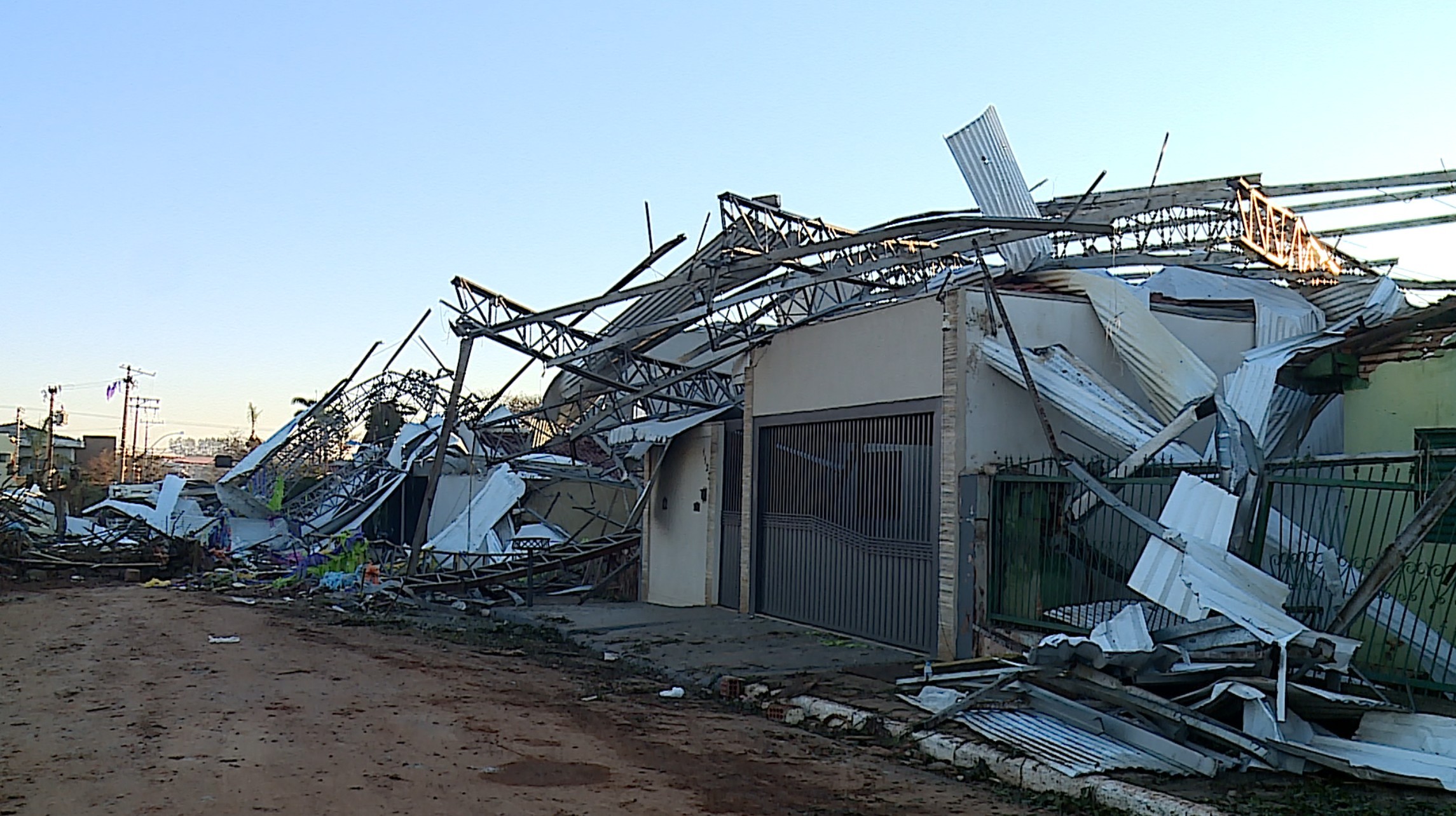
Guariba, a city of 37,400 inhabitants in the Ribeirão Preto region of São Paulo, Brazil, was the hardest hit by severe storms on Friday, February 24th, experiencing winds up to 160 km/h. Clauber de Marchi, CPFL Paulista's operations manager, stated on Monday, February 27th, that the city's power grid required near-complete reconstruction. The storm caused 54 transmission towers to fall in the region, and in Guariba, 16,000 households, or 99% of the city, lost power. As of Monday, 85% of the service had been restored, with approximately 40 utility poles needing replacement. Marchi described the situation as unprecedented for CPFL Paulista's concession area. Mayor Mançano Junior reported that around 70% of homes sustained damage, and the industrial park was destroyed. The municipality has set up temporary shelters and an industrial kitchen for displaced residents. Municipal school classes are suspended until Wednesday, February 29th, but water supply has been normalized. The initial estimate for the city's reconstruction is R$ 50 million. Guariba is among six cities in the region designated for a summary state of emergency declaration by the federal government to expedite humanitarian aid and reconstruction funds. Residents in affected areas like Vila Roca are engaged in cleanup efforts, with many sharing stories of significant personal losses, including damaged homes and destroyed inventory. The economic impact is substantial, with local businesses and residents facing considerable repair costs and the challenge of restoring livelihoods.
The severe weather event in Guariba highlights the vulnerability of urban infrastructure to extreme meteorological phenomena, exacerbated by climate change. The extensive damage to the power grid and residential properties underscores the need for resilient infrastructure design and robust emergency response protocols. The financial burden of reconstruction, estimated at R$ 50 million, points to the significant economic consequences of such events, necessitating proactive disaster mitigation strategies and efficient intergovernmental coordination for aid disbursement. Future planning should consider the increasing frequency and intensity of extreme weather, potentially integrating advanced forecasting and early warning systems, alongside investments in infrastructure hardening to minimize societal disruption and economic loss.
AI-generated to prompt reflection — not editorial opinion, not advice, not a statement of fact. How this works.