Guarujá Activates Civil Defense Plan Amid El Niño Concerns
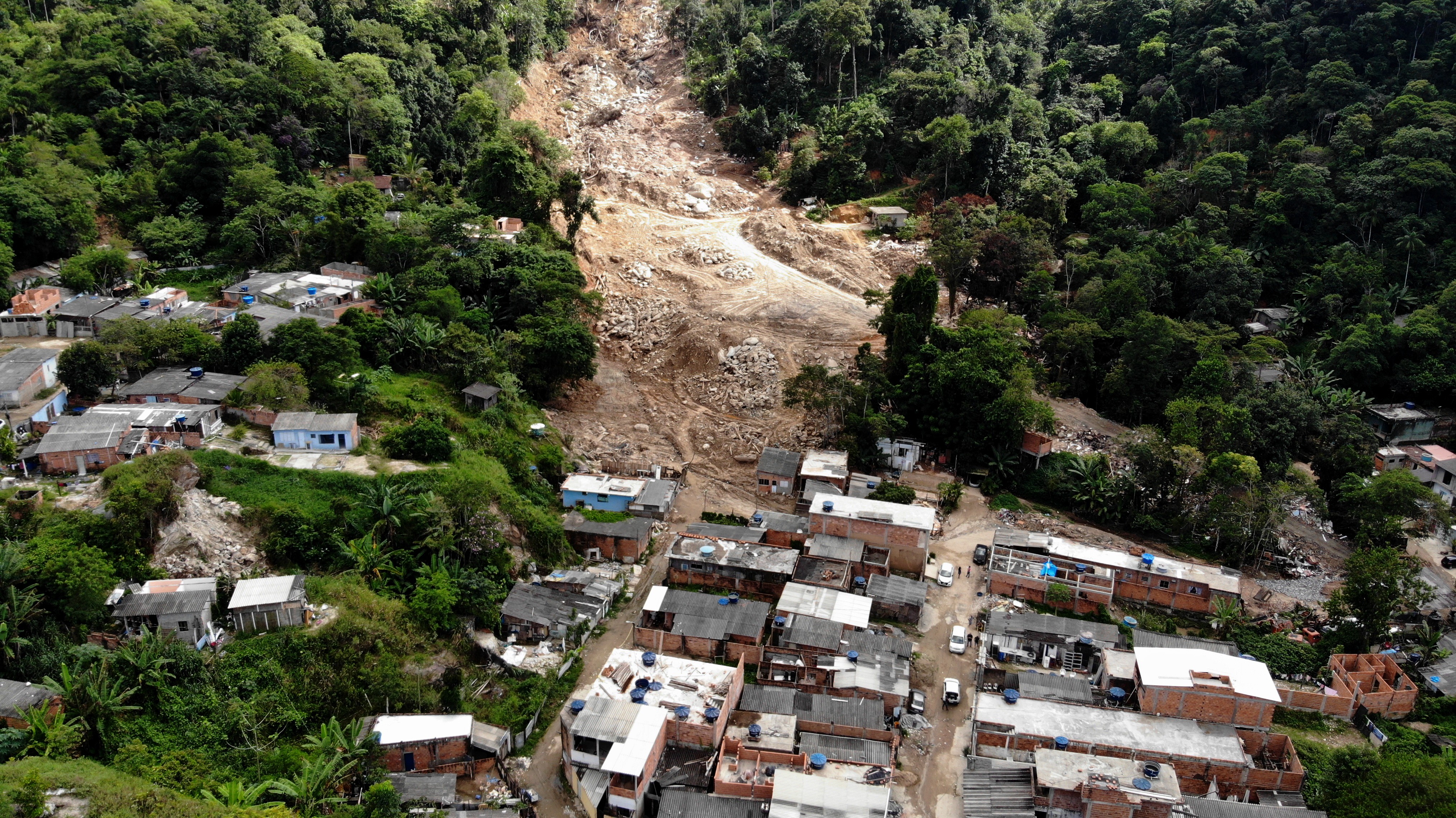
The city of Guarujá, located on the coast of São Paulo, Brazil, is proactively activating its Preventive Civil Defense Plan (PPDC) due to concerns over the potential impacts of the El Niño phenomenon. This weather pattern is expected to bring above-average rainfall, leading to risks of flooding, landslides, and strong winds. Renato Fincatti, the Secretary of Social Defense and Coexistence for Guarujá, stated that initial efforts will focus on damage reduction through community engagement in high-risk slope areas. These preparations include clearing drainage ditches, organizing public spaces, and preventing new construction in hazardous locations. The goal is to equip residents with the knowledge to recognize natural warning signs during the rainy season. Local Civil Defense Units (Nupdecs) are facilitating interaction between residents and agents, providing training and fostering collaboration between the community and public authorities, with the overarching objective of saving lives. This community partnership, initiated last year, has already shown positive results, enabling residents to evacuate safely during past heavy rainfall events. Social assistance structures are in place in schools to support displaced families. In a related development, the neighboring municipality of Cubatão has established a permanent commission to address El Niño's effects, following a request from the Public Prosecutor's Office of São Paulo. This commission will update the El Niño Response Plan and coordinate inter-secretarial actions, including public awareness campaigns, volunteer training, and climate monitoring, while also considering infrastructure improvements to mitigate flood risks. Both municipalities emphasize that effective prevention relies on the combined efforts of government, institutions, and the community, with citizens advised to maintain clean gutters and dispose of waste properly.
The proactive activation of civil defense plans in Guarujá and Cubatão highlights a growing awareness of climate-related risks, particularly those exacerbated by phenomena like El Niño. This strategic foresight, focusing on community engagement and infrastructure preparedness, represents a shift towards resilience-building in the face of increasingly unpredictable weather patterns. Such initiatives underscore the critical need for integrated governance that bridges public administration, scientific forecasting, and local community knowledge. The emphasis on 'saving lives' through controlled evacuations and social support systems points to a maturing understanding of disaster management, moving beyond mere response to encompass preemptive mitigation and community empowerment. Looking ahead, these localized efforts will need to be scaled and integrated into broader regional and national climate adaptation strategies to effectively address the systemic challenges posed by climate change in densely populated coastal areas.
AI-generated to prompt reflection — not editorial opinion, not advice, not a statement of fact. How this works.