Guarujá launches diagnostic for children under 6 to shape new public policies
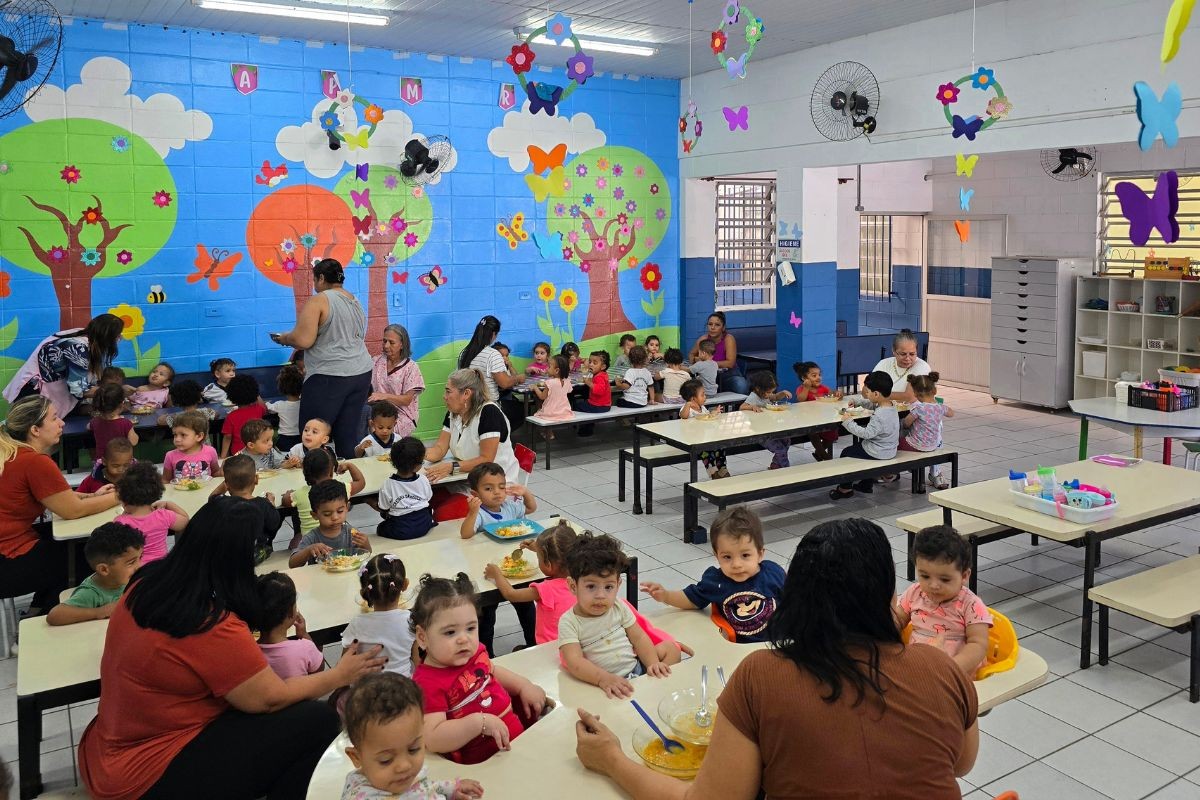
The municipality of Guarujá, located on the coast of São Paulo, Brazil, has initiated a comprehensive survey of children aged 0 to 6 years. This diagnostic study is the foundational step for creating the Municipal Plan for Early Childhood (PMPI), which is slated for launch in 2027. The PMPI aims to establish a ten-year strategic framework to ensure the rights and comprehensive development of young children. Upon completion, the plan will undergo a rigorous approval process, including review by the Municipal Council for the Rights of Children and Adolescents (CMDCA), a public consultation period, and a vote in the Municipal Chamber before being sanctioned by the mayor. The data collection involves gathering information on the living conditions of this demographic, alongside consultations with families and service providers. This process seeks to identify the children, their locations, their primary challenges, and the necessary interventions for their integral development. Following this, participatory workshops will be conducted to collaboratively define the plan's objectives and actions. The initiative is managed by the Intersectoral Management Committee for the Integral Development of Early Childhood, with support from various municipal secretariats, including Social Development and Assistance (Sedeas) and Education (Seduc). Ivelise Schalch, president of the Management Committee, emphasized that the diagnosis is crucial for understanding the social, economic, and environmental hurdles that require policy intervention, ensuring that public policies are effective and responsive to the actual needs of children and their families. The PMPI is grounded in national legislation, including the Legal Framework for Early Childhood (Federal Law nº 13.257/2016), the Statute of the Child and Adolescent (ECA), and Article 227 of the Federal Constitution, all of which mandate absolute priority for the rights of children in their early years.
This initiative by Guarujá to develop a Municipal Plan for Early Childhood by 2027 represents a structured, data-driven approach to policymaking. By conducting a thorough diagnostic of children aged 0-6, the municipality aims to move beyond reactive measures towards proactive strategies grounded in the specific needs of its youngest residents. This process, involving intersectoral collaboration and public consultation, aligns with best practices in governance, seeking to ensure that future policies are evidence-based and effectively address social, economic, and environmental factors impacting early development. The plan's emphasis on legal frameworks like the Marco Legal da Primeira Infância and ECA underscores a commitment to children's rights as a societal priority. Looking ahead, the success of this plan will hinge on sustained political will, adequate resource allocation, and robust monitoring mechanisms to track progress and adapt strategies over the next decade, particularly in light of evolving societal and economic landscapes.
AI-generated to prompt reflection — not editorial opinion, not advice, not a statement of fact. How this works.