Águas da Prata Festival Celebrates Coffee and Gastronomy with Local Restaurants
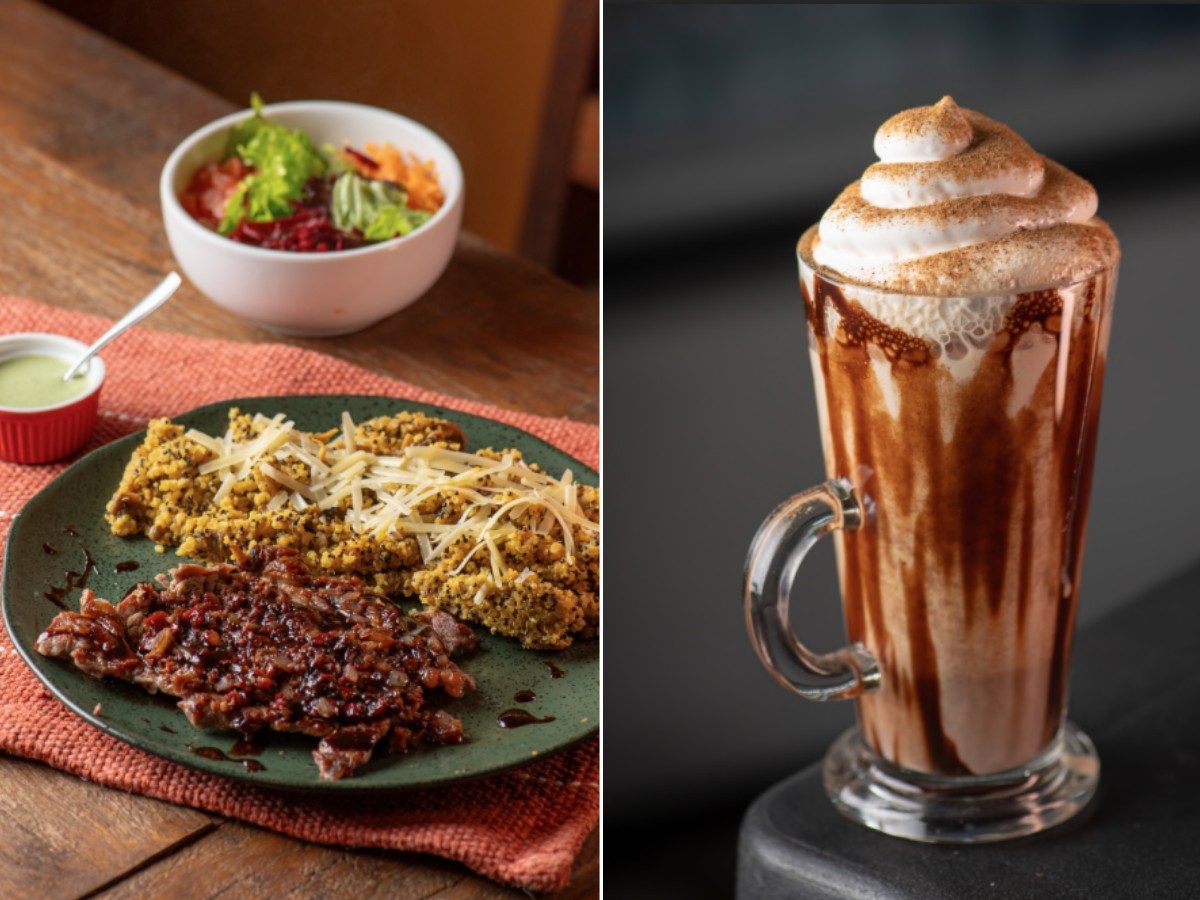
The first Coffee and Gastronomy Festival in Águas da Prata, São Paulo, is featuring a "Coffee Gastronomic Route" that includes 11 local establishments. These restaurants have created exclusive dishes, desserts, and drinks using coffee as an ingredient, aiming to enhance the festival experience and support local entrepreneurship. The initiative encourages visitors to explore different dining spots and appreciate the creativity of local businesses and the town's cultural identity. Options range from "Ragú Expresso" and "Mignon Suíno Aromas de Café" to "Risoto de Quinoa com Contra ao Molho de Café" and "Cappuccino Kaboonn." The gastronomic route is available until August 16th, with a map provided to help visitors plan their culinary journey. The festival itself, held from July 24th to 26th at the Basílio Ceschin Square Annex, the Train Station, and Largo do Hotel São Paulo, offers free admission. It aims to promote local entrepreneurs, farmers, artisans, and businesses, boosting tourism and the creative economy. The festival's program includes live music performances, art workshops, and a bike tour, with diverse musical acts like Camerata do Leão, Fat Bone Blues, Orquestra de Violões do SAJ, and jazz ensembles.
This festival aims to leverage a regional specialty, coffee, to drive economic activity and cultural promotion within Águas da Prata. By integrating local restaurants and businesses into a structured event and a dedicated gastronomic route, organizers are creating a multi-faceted attraction designed to draw visitors and stimulate local commerce. The strategy of using a unique ingredient like coffee across diverse culinary applications highlights innovation in local food systems. Future iterations could explore deeper supply chain integration, showcasing coffee producers alongside the culinary talent, and potentially developing sustainable tourism models that benefit the entire community beyond the festival dates. Evaluating the long-term impact on local employment and the preservation of regional culinary identity will be key metrics for success.
AI-generated to prompt reflection — not editorial opinion, not advice, not a statement of fact. How this works.