Águas de Manaus Paves Over 1,500 Streets in Amazon Capital
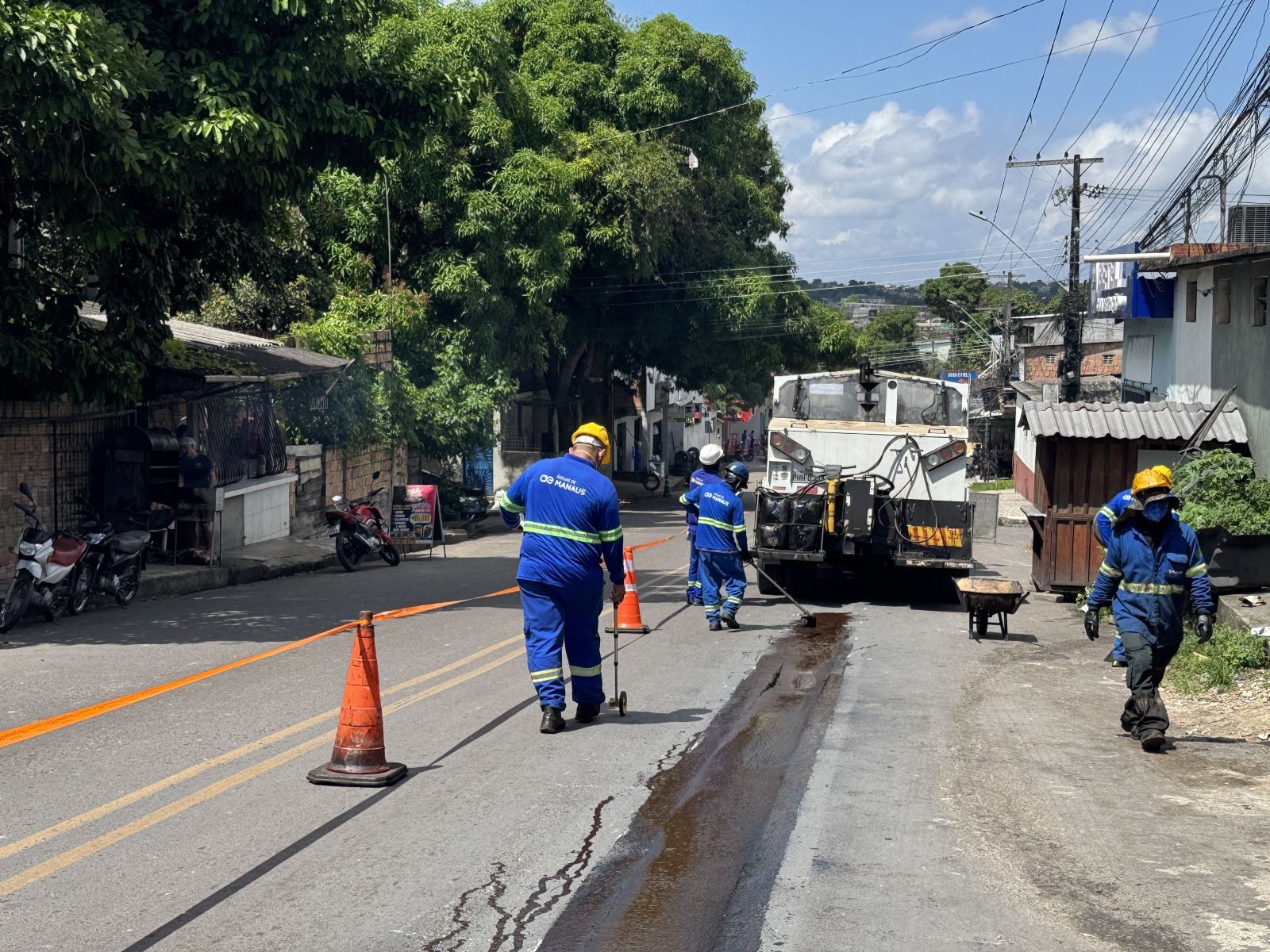
Over the past forty days, Águas de Manaus has undertaken a significant paving initiative, applying over 3,000 tons of asphalt to more than 1,500 streets across approximately 60 neighborhoods in Manaus, Brazil. This large-scale effort, which began on June 17th, aims to restore urban infrastructure following the company's interventions in sanitation networks. The operation is divided into two main fronts. The first focuses on repairing road surfaces in areas where new sewage networks were installed, with teams already having repaved over 72,600 meters of roads to ensure they are returned to the public in good condition. The second front addresses locations that underwent emergency maintenance for water supply and sewage systems, ensuring that repairs are completed with asphalt restoration. The initiative involves more than 100 employees working daily to expedite pavement recovery throughout the city. Águas de Manaus highlights that it utilizes asphalt produced in its own plant, which allows for greater control over material quality and faster repairs. The company produces around 130 tons of asphalt daily and assures the public that they will return to redo any service if necessary. Residents are encouraged to report any areas needing correction through the company's official communication channels.
This initiative by Águas de Manaus demonstrates a proactive approach to infrastructure management, directly addressing the consequences of utility work on public roads. By integrating asphalt production into their operations, the company enhances its responsiveness and control over the quality of repairs. This integrated model can serve as a benchmark for other utility providers, highlighting the importance of a closed-loop system for urban infrastructure maintenance. Looking ahead, the long-term sustainability of such efforts will depend on the efficiency of resource allocation and the integration of smart city technologies for real-time monitoring and predictive maintenance, ensuring that road conditions are not merely reactive but part of a continuous improvement cycle.
AI-generated to prompt reflection — not editorial opinion, not advice, not a statement of fact. How this works.