Guatemala Faces Food Crisis Risk Amid Extreme Drought and Water Shortages
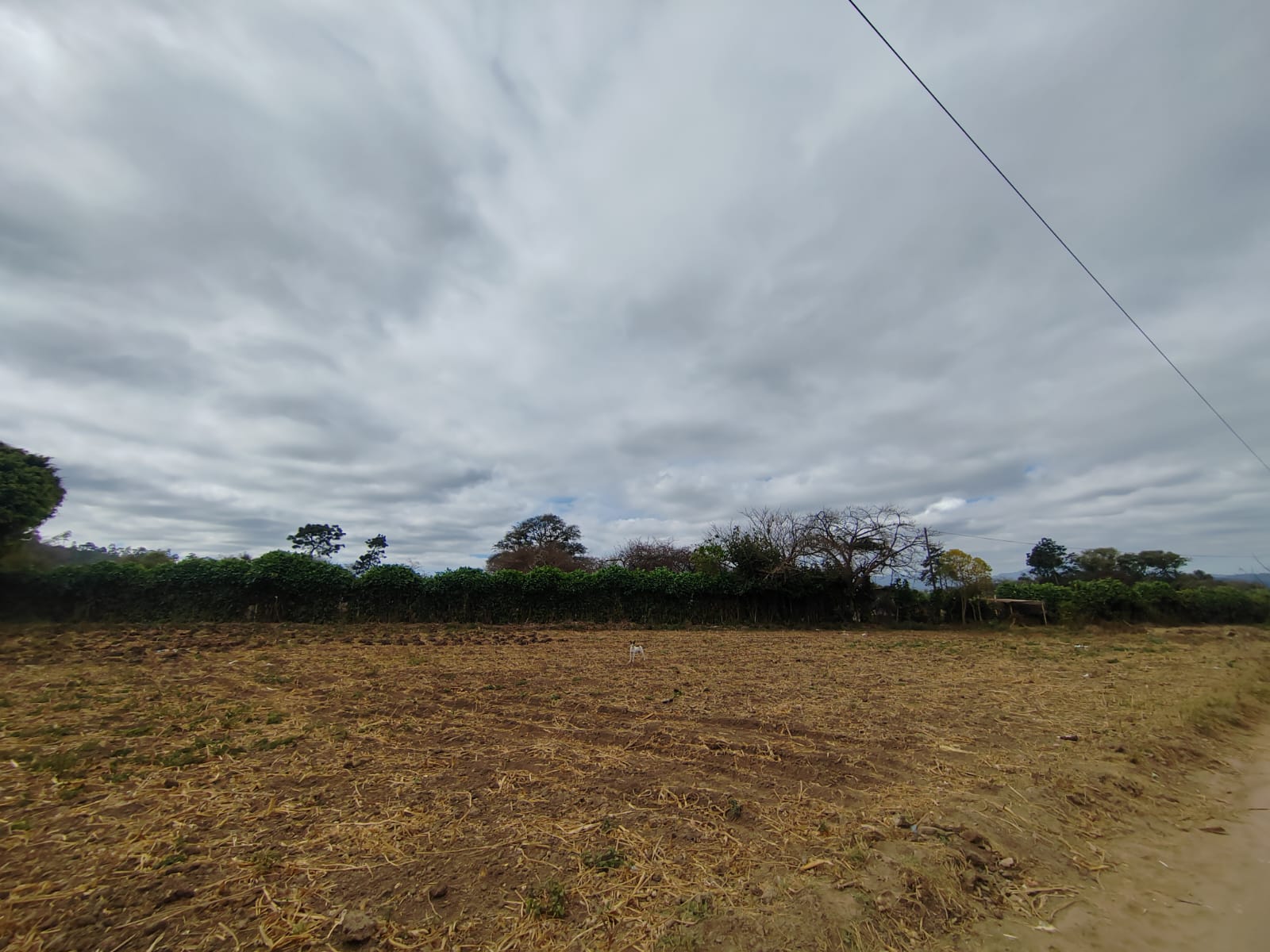
Guatemala is at risk of a food crisis due to a prolonged dry spell, known as canícula, and the intensifying El Niño phenomenon. The dry spell could last up to 42 days, exacerbating existing water deficits. These conditions pose a significant threat to the production of staple crops like corn and beans, which are vital for the country's food security. Currently, 123 municipalities have been identified as having very high vulnerability to these environmental challenges. The combined impact of extreme drought and the strengthening El Niño is expected to severely disrupt agricultural output, potentially leading to widespread food shortages and impacting vulnerable populations the most.
The confluence of a prolonged dry spell and the El Niño phenomenon presents a systemic challenge to Guatemala's agricultural sector and food security. This event highlights the vulnerability of economies reliant on rain-fed agriculture to climate variability and the intensifying impacts of climate change. The identification of 123 highly vulnerable municipalities underscores the need for adaptive strategies, including drought-resistant crop development, improved water management infrastructure, and robust social safety nets. Future planning must consider the increasing frequency and severity of such climate-related shocks, potentially necessitating a diversification of agricultural practices and greater investment in climate resilience to mitigate risks to staple crop production and prevent humanitarian crises.
AI-generated to prompt reflection — not editorial opinion, not advice, not a statement of fact. How this works.