Guatemala Fuel Prices Rise After Government Subsidy Ends
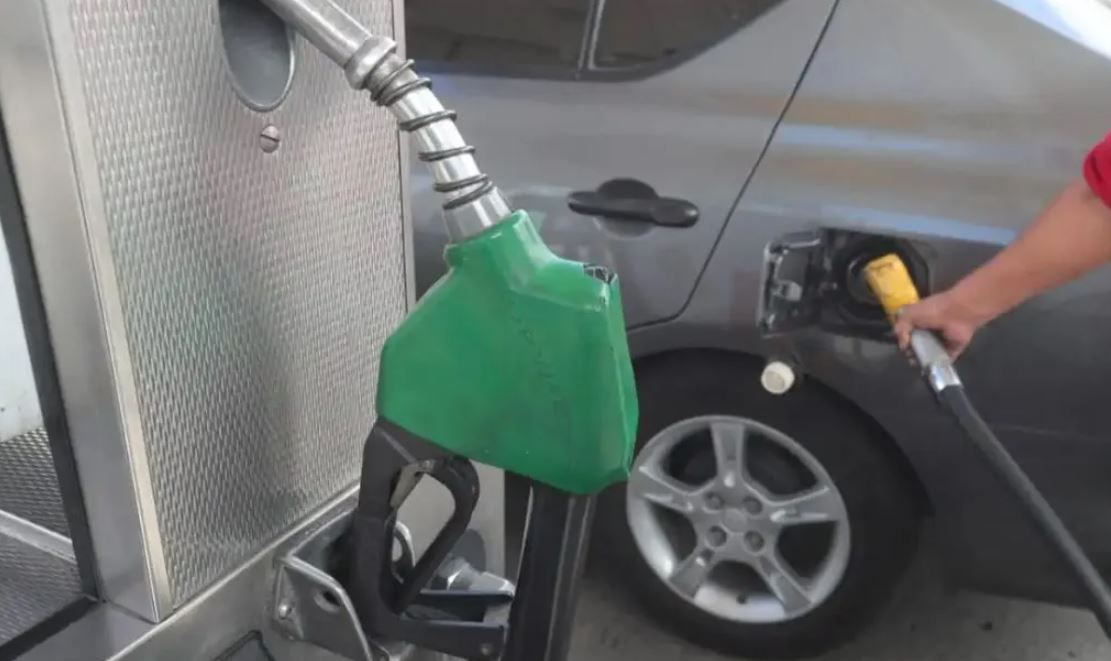
Average gasoline and diesel prices in Guatemala have increased following the expiration of a subsidy previously provided by the Ministry of Energy and Mines (MEM). The government can no longer intervene to control the cost of these fuels. The MEM had implemented the subsidy to mitigate the impact of rising international oil prices on consumers. However, the measure has now concluded, leading to a direct reflection of global market fluctuations on domestic fuel costs. This change means consumers will face higher prices at the pump, directly influenced by the international petroleum market. The government's inability to subsidize further indicates a shift in fiscal policy or budgetary constraints. Citizens are advised to prepare for these new price levels, which are expected to remain volatile based on global supply and demand dynamics. The end of the subsidy marks a significant adjustment for Guatemalan households and businesses reliant on transportation.
The termination of fuel subsidies in Guatemala signifies a transition from direct government intervention to market-driven pricing. This policy shift, while potentially exposing consumers to greater price volatility tied to global oil markets, may align with fiscal prudence and reduce the burden on public finances. The long-term implications will depend on the government's strategy for managing energy security and affordability, potentially through investments in alternative energy sources or efficiency programs. This event underscores the ongoing challenge for developing economies in balancing immediate consumer relief with sustainable economic policies in an era of fluctuating commodity prices.
AI-generated to prompt reflection — not editorial opinion, not advice, not a statement of fact. How this works.