Guatemala Lacks Comprehensive Water Law After Four Decades of Failed Attempts
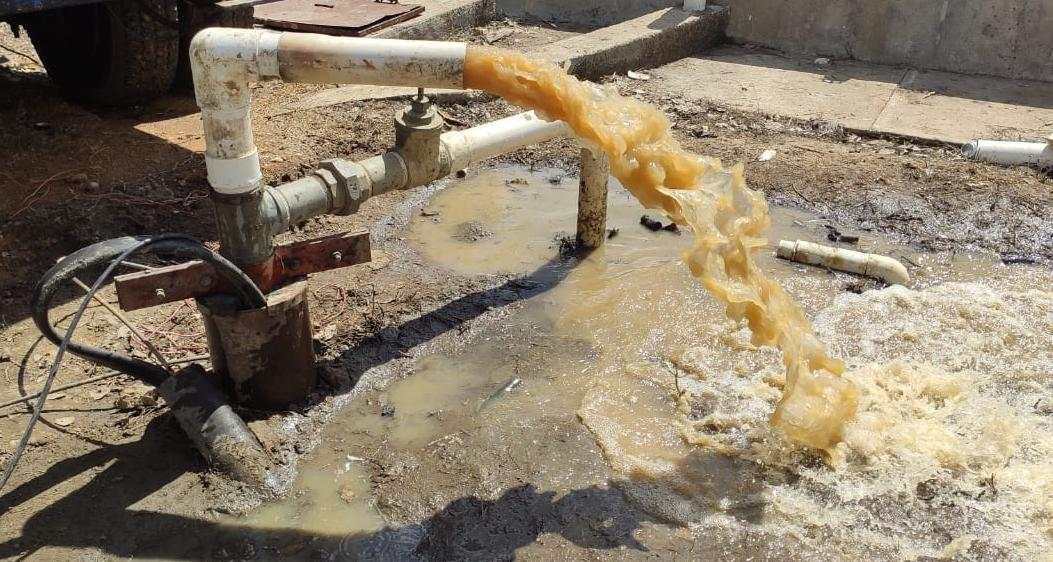
Guatemala remains the sole country in Central America without a comprehensive water law, despite its significant water resources. This situation persists after four decades marked by numerous unsuccessful attempts to enact such legislation. The absence of a unified legal framework has led to an unresolved crisis concerning water management and access. Various stakeholders have engaged in discussions and proposed initiatives over the years, but none have culminated in a finalized law. This legislative void has implications for environmental protection, equitable distribution, and the sustainable use of water resources across the nation. The ongoing failure to establish a water law highlights deep-seated challenges in Guatemala's legislative process and its approach to critical resource management. The country's rich hydrological assets are thus managed without a clear, overarching legal structure, contributing to the unresolved crisis.
Guatemala's prolonged inability to enact a comprehensive water law, despite abundant resources and regional precedents, suggests systemic governance challenges. The recurring legislative failures over four decades point to potential conflicts of interest among powerful actors, insufficient political will, or a lack of consensus on equitable resource distribution models. This ongoing legislative vacuum creates uncertainty for investment in water infrastructure and sustainable management practices, potentially exacerbating future water scarcity or contamination issues. Examining the incentive structures and lobbying efforts behind these repeated failures could illuminate pathways toward a more effective and inclusive policy-making process, aligning with the region's growing needs in the face of climate change and population growth.
AI-generated to prompt reflection — not editorial opinion, not advice, not a statement of fact. How this works.