Guatemala Lags on UN Recommendations for Child Pregnancy and Sexual Violence
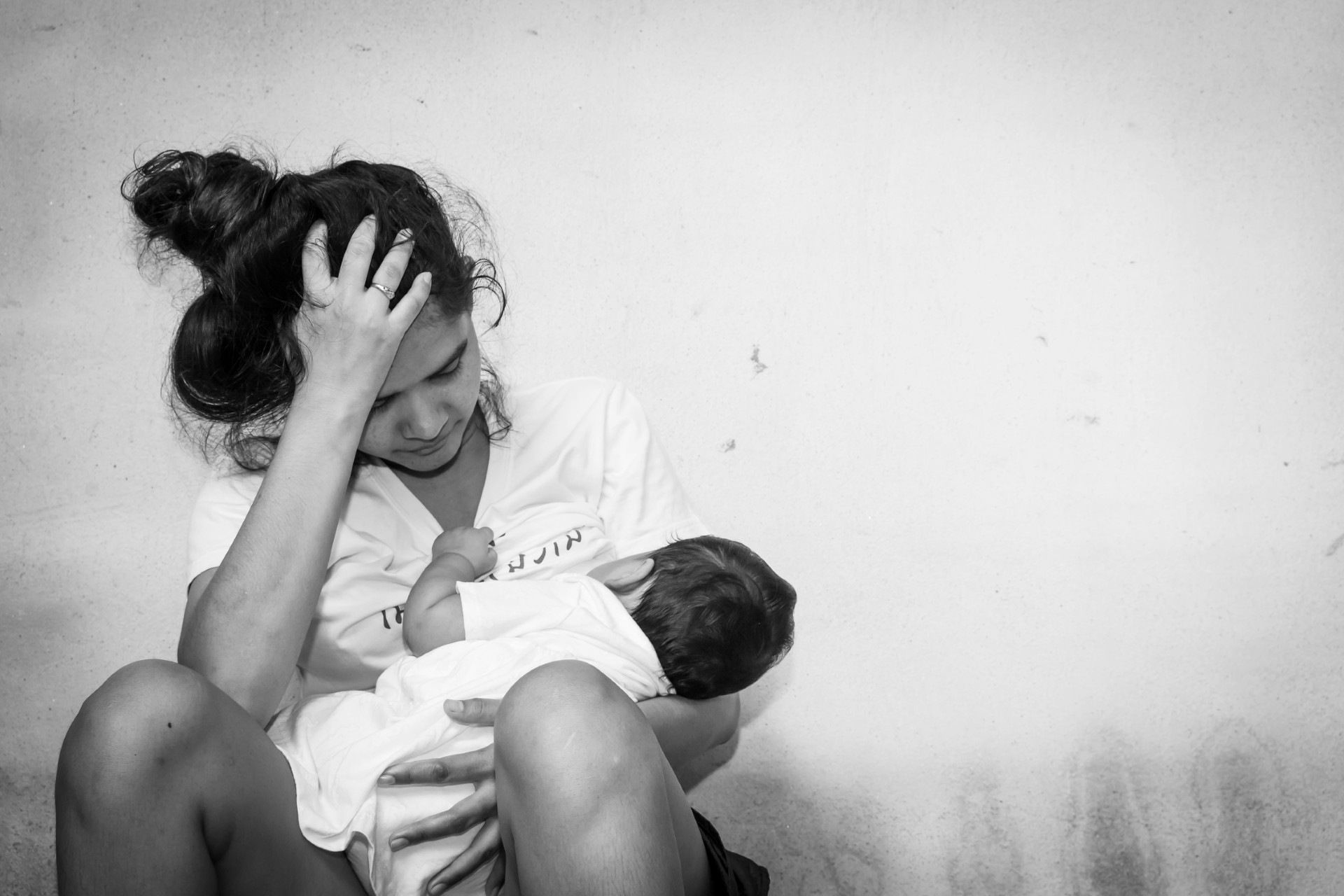
Guatemala is facing significant delays in implementing recommendations from the United Nations Human Rights Committee. In 2025, the committee issued a directive aimed at eradicating sexual violence, forced pregnancy, and forced motherhood affecting girls and adolescents within the country. Despite the UN's call to action, Guatemala has not yet fully met the stipulated measures. The directive specifically targets the persistent issues of sexual violence and its consequence of early and often forced pregnancies among minors. The situation highlights a gap between international human rights standards and their practical application in Guatemala. The UN's recommendations were designed to protect vulnerable young individuals and ensure their reproductive rights and well-being. The continued delays suggest ongoing challenges in addressing the root causes of sexual violence and supporting victims. This situation underscores the need for more robust governmental action and resource allocation to comply with international human rights obligations.
Guatemala's slow progress in implementing the UN Human Rights Committee's 2025 directive on child pregnancy and sexual violence points to systemic governance challenges. The gap between international mandates and domestic execution suggests potential issues with legislative frameworks, enforcement mechanisms, or resource allocation dedicated to protecting vulnerable populations. Addressing these deeply entrenched issues requires a multi-faceted approach that tackles social determinants of sexual violence and ensures access to reproductive health services. Future policy considerations should focus on strengthening accountability for non-compliance and fostering cross-sectoral collaboration to create sustainable solutions that safeguard the rights and well-being of girls and adolescents in Guatemala.
AI-generated to prompt reflection — not editorial opinion, not advice, not a statement of fact. How this works.