Guatemala's 7.4 Magnitude Tremor: Why It Wasn't Classified as an Earthquake
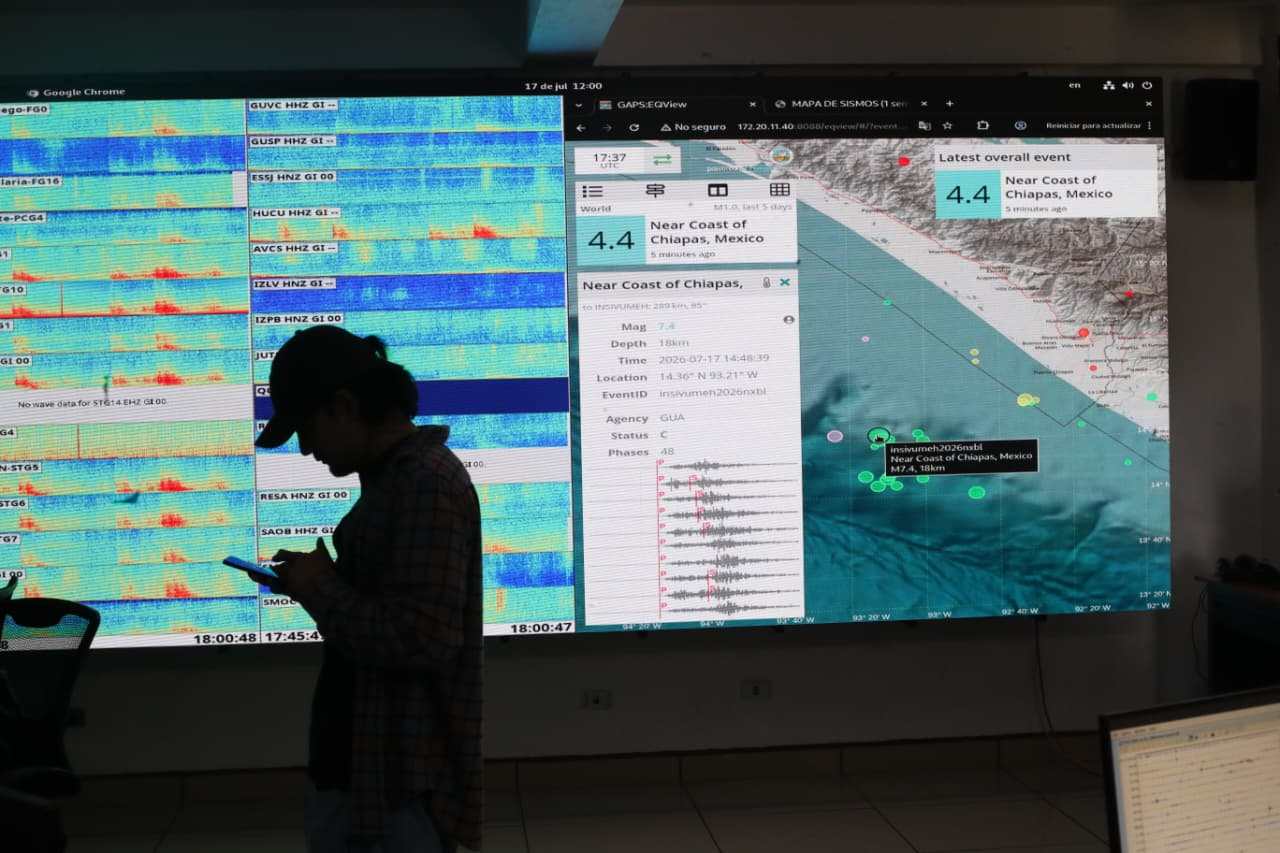
Authorities in Guatemala have clarified why the significant seismic event that occurred on July 17th, registering a magnitude of 7.4, was not officially classified as an earthquake. The distinction is based on specific scientific criteria used to categorize seismic events. While the tremor was powerful and caused considerable shaking across the region, its classification hinges on factors beyond just its magnitude. The explanation provided by officials aims to inform the public about the technical definitions governing seismic activity. This clarification is important for understanding the precise terminology used in seismology and disaster preparedness. The event, though not labeled an earthquake, still had significant implications for the affected areas. Further details on the specific criteria used by Guatemalan authorities are expected to be released to the public.
The distinction between a tremor and an earthquake, despite a 7.4 magnitude, highlights the technical nuances in seismological classification. This event underscores the importance of clear communication from authorities regarding scientific definitions, especially when public perception might differ from technical categorization. Understanding these classifications can inform risk assessment and public safety protocols, ensuring that responses are appropriately scaled to the nature of the seismic event, regardless of its official label. Future preparedness strategies should emphasize consistent terminology to avoid confusion during critical moments.
AI-generated to prompt reflection — not editorial opinion, not advice, not a statement of fact. How this works.