Guatemala's diesel subsidy offers logistics relief but won't fully offset cost increases
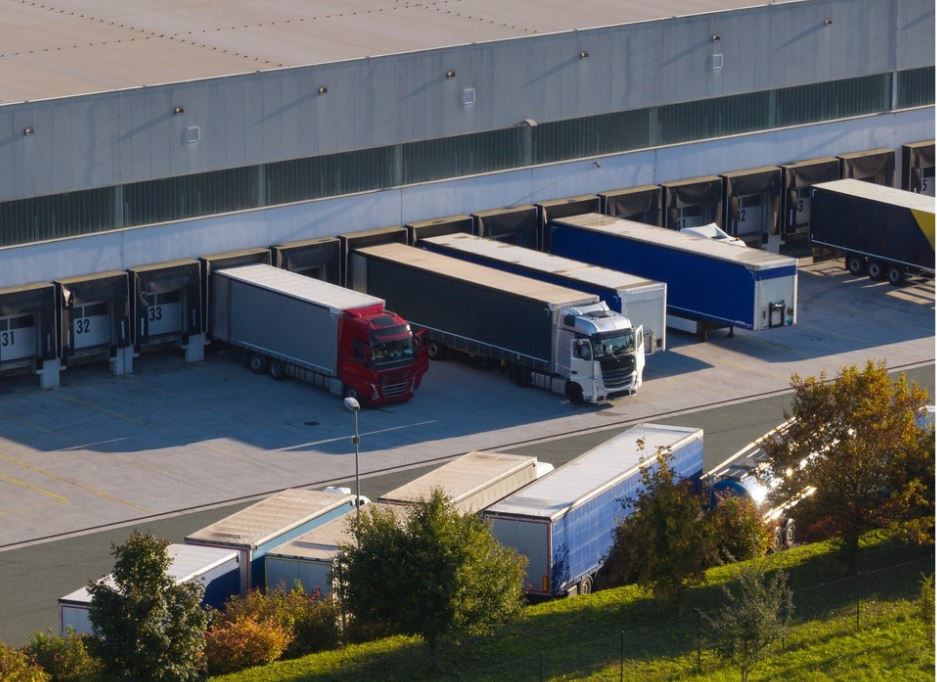
Guatemala's national logistics sector is anticipating a state subsidy of Q12 per gallon of diesel, the primary fuel for transporting goods and people. This potential measure aims to provide some relief amidst rising operational costs. The logistics industry relies heavily on diesel for its fleet of trucks and other vehicles, making fuel prices a significant factor in their overall expenses. The subsidy, if implemented, is expected to offer a temporary reprieve, helping to mitigate the immediate financial pressures faced by transportation companies. However, industry stakeholders suggest that the Q12 per gallon amount may not be sufficient to fully compensate for the cumulative increase in costs experienced over time. This includes not only fuel but also other operational expenses such as maintenance, tires, and labor. The impact of this subsidy on the broader production chain is being closely watched, as logistics costs directly influence the final price of goods for consumers. While the subsidy is a positive step, its effectiveness in stabilizing the sector and preventing further price hikes remains a key concern.
The proposed Q12 per gallon diesel subsidy in Guatemala represents a governmental intervention aimed at alleviating cost pressures within the logistics sector. While intended to provide immediate financial relief, the analysis suggests that the subsidy's magnitude may be insufficient to fully counteract sustained increases in operational expenses. This situation highlights a common challenge in managing inflation and supply chain stability: short-term subsidies can offer temporary breathing room but may not address underlying economic factors driving cost inflation. Policymakers face a trade-off between providing immediate support and fostering long-term economic resilience. Future considerations could involve exploring more structural solutions that enhance efficiency, reduce dependency on volatile fuel prices, or diversify transportation methods to mitigate the impact of such economic fluctuations on the national production chain.
AI-generated to prompt reflection — not editorial opinion, not advice, not a statement of fact. How this works.